Contest and exhibition: OLD - Milan Design Week 2007
18 - 23 April 2007
“In Africa, when an old man dies, a library
disappears”
Amadou Hampaté Ba
(quoted by Léopold Sédar Senghor)
“We no longer have the seasons we used to have,
signora mia…”
Alberto Arbasino
OPOS decided to tackle the concept/subject of “old”.
People often tend to think that the past was better than the present, that what we once had was better than what we have now. Memories of what was and will no longer be.
Our own personal “good old days”.
Paradoxically, the “old” category gains in value when it reminds us of an experience we had when we were young.
Something that lies in the past but which is an indissoluble part of the memory. People often think that things in the past are better than those in the present. And that “old” is synonymous with “ancient” and, therefore, steeped in value and experience.
This is why people are mistakenly led to believe that “old” also means “wise”. Often, though, an old man is just that, an old man.
And the number of these old men is always on the up (at least in the first world). What we have is a society full of old people who are hidden, ignored, excluded on the communication front and considered to be unsuitable participants in the glossy world of products and consumerism.
We live in a society that is obsessed with “eternal youth”.
The traditional class of the elderly, the sick and the decrepit is now becoming a well-polished, silent majority of gym and hormone addicts.
To investigate this current pressing phenomenon, it is perhaps wise to go beyond the stereotypes and define the new characteristics of “old” so as to be able to understand how the categories have changed with the passing of time. From genetics to gerontology and the new cultural/social dimension of an “old” society that wants to look young at all costs. And this all this leads to changes in our environment, objects, services, communication.
So, if the “old” issue exists it is because the “memory” issue exists.
By combining these two words in our everyday experiences it is clear to see that, in the era of memory digitisation, everything that used to come flooding back to us surrounded by a halo of myth and transformed by our ‘memory filter’, now comes back quickly and mercilessly with a simple click. Everything is available in the most explicit and updated version there is. Like an overlapping of solid layers that, every now and again, someone reactivates with a brutal act of rediscovery, a “décollage” that tears but never mends.
Bringing back just the form without the thought.
There is added frustration when we realise that it is often market demand rather than the actual quality of the experiences to be rediscovered that decides the time and pace of this return. Paradoxically, the vast availability of “old” also ends up destroying the integrity of the new. The “eternal return” ends up being an “eternal present” that goes by the name of “compilation”, “hybridism”, “vintage” or “rediscovery”. An immense digestible flow where the “signs” of an original design become increasingly more difficult to recognise.
OPOS asked designers to reflect on this theme. A reflection aimed at transforming this new and anti-intuitive condition of both society and man’s contemporary experiences into actual projects and objects.
The event was held in the OPOS Gallery Corso Garibaldi 104.
LIRE DI SAPONE
CRISTINA DE AGOSTINI AND FRANCESCO CASTIGLIONE MORELLI
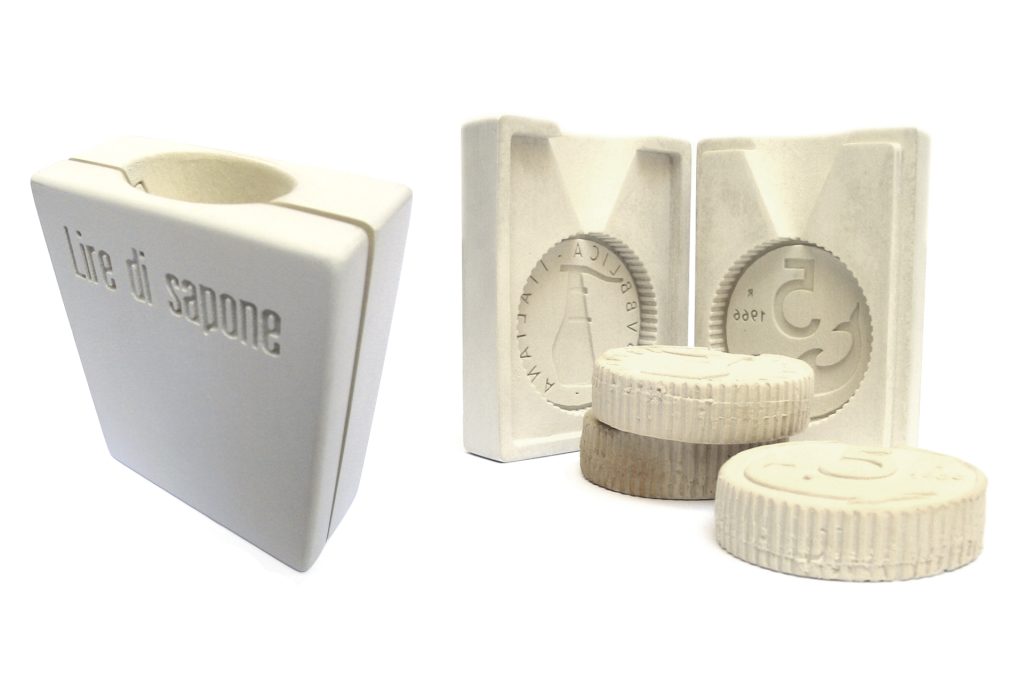
Lire di sapone is the Proustian taste of the Madeleine which conjures up dear, old memories. Who doesn’t miss the old Lira? And isn’t it true that traditional home-based methods are still much better than many industrial products that are available on market?
The household economy and the “homemade” tradition are good for the health and the wallet!
The result is Lire di sapone: a silicone mould used to make fragrant soaps that look like old coins.
WRINKLE BOTTLE
ORNELLA RIGATO WITH OOOH!DESIGN
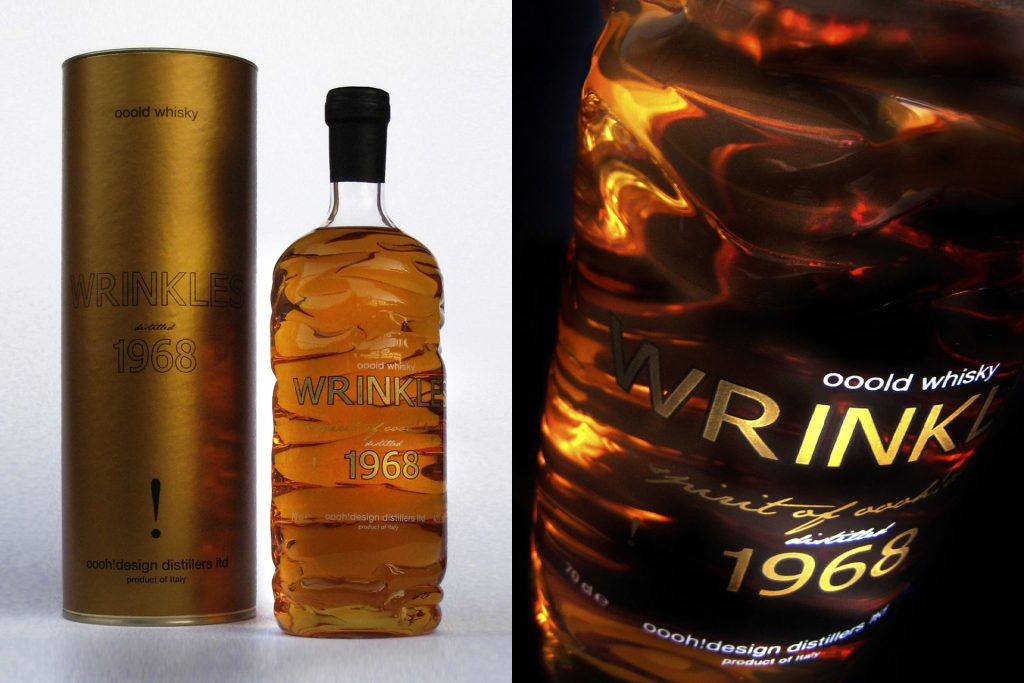
Wrinkle Bottle is a packaging project that dramatically highlights a particular quality that is typical of spirits such as whisky, namely the ageing process. The realistic reproduction of wrinkles etched on the bottle, ironically depicts the number of years that make spirits so precious, whilst being decorative and informative about the product. Enhanced product quality and a refined, highly-decorative object, just perfect for top-of-the-range spirits.
FUTURE VINTAGE
AnAtomic FACTORY: ERICA DE CANDIDIO, LUCREZIA DIRINDIN, MARCO POPOLO
The market teaches us that style and fashion are cyclic; they are always making a continuous comeback and are programmatically rejuvenated.
Future Vintage is an investment for the future.
Future Vintage is packaging that contains a contemporary product that you can buy today, but without seeing what’s inside. When the expiry date comes round a trendy product will be guaranteed, at the peak of its commercial value.
Future Vintage is the vintage of the future.

RUN, DON’T WALK
MARCO CIMATTI
By adding a wheel, “Run, don’t walk” helps people to get around as quickly or slowly as they like.
It brings into discussion the link between walking sticks and the slow pace of the elderly.
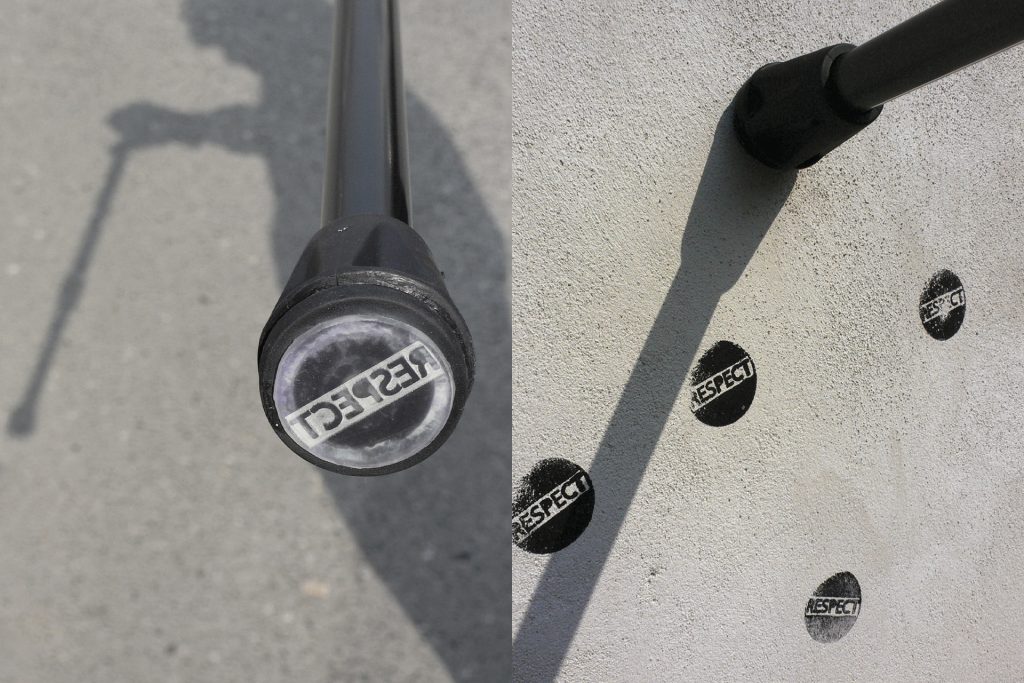
RESPECT
GLUEGLUEDESIGN.COM
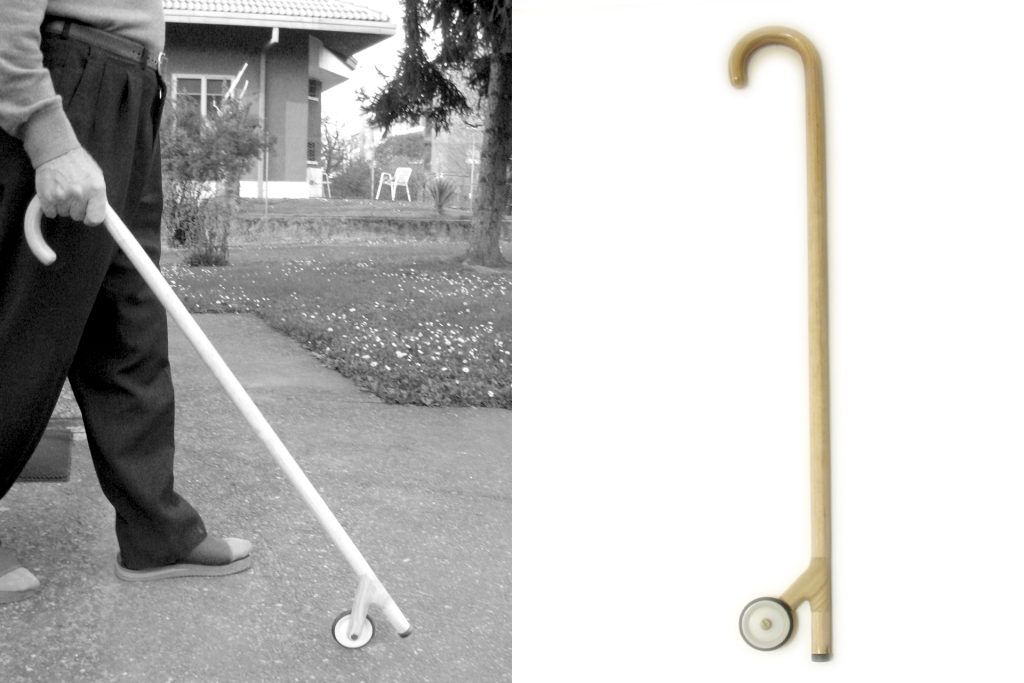
A walking stick marks the word “respect”, thanks to a stamp fitted on the bottom. The basis for the “old” theme is the concept of respect. Using a modern, contemporary language, a social condition, considered all too often as “useless” and “obsolete”, can be redeemed as “cool” and “in”.
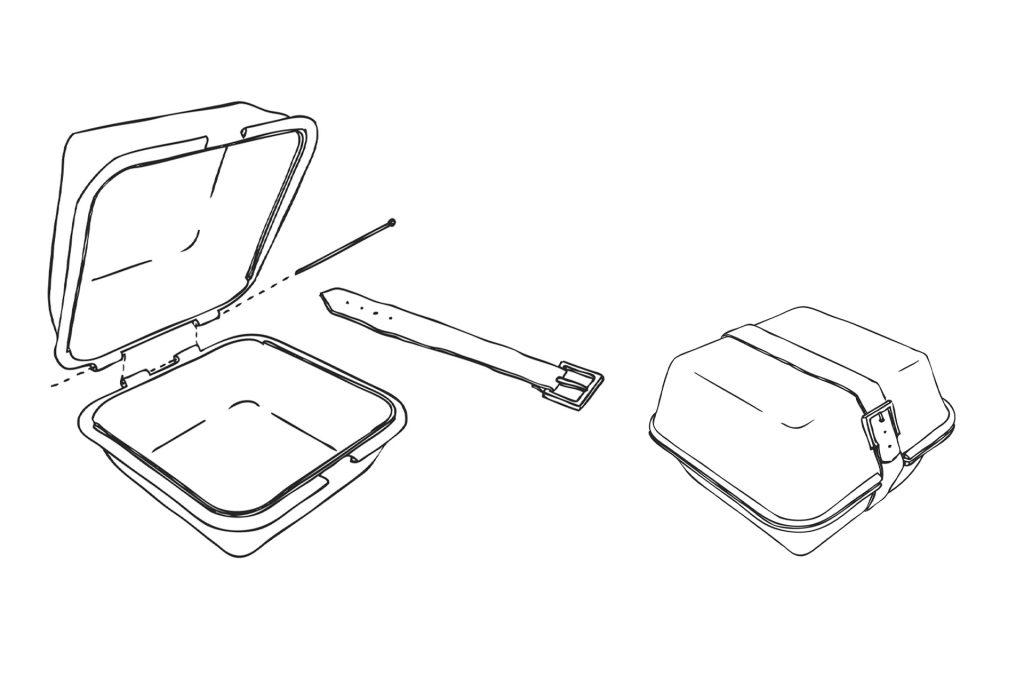
CONTENITORE PER ALIMENTI
GERGELY AGOSTON, SARA PASINI AND MATTEO POLI
An easy-to-carry food container made out of white enamelled ceramic with a brass hinge and a leather strap. The improbable, yet extremely plausible forerunner of a contemporary, everyday object. The previous version of a project seen as the result of a supposed optimisation process, that never took place.
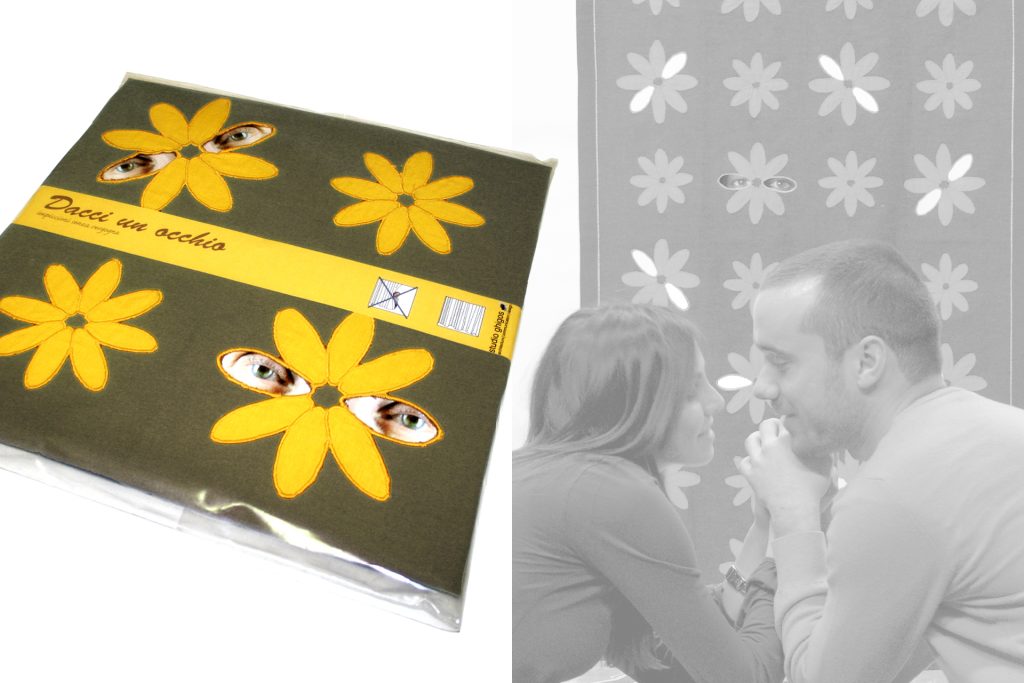
DACCI UN OCCHIO
STUDIO GHIGOS: DAVIDE CRIPPA, BARBARA DI PRETE, FRANCESCA DIOTTI, SARA MAGNONE, MARCO PIANA, FRANCESCO TOSI
The elderly, spectators of the day-to-day “show”, spend endless hours watching the world from their window, be it at home or in a care home.
A curtain for “spies”: to see without being seen, to discover without being discovered…
Without having to draw back the curtains or be afraid of any perfidious transparencies, this pastime now has a completely different slant to it.
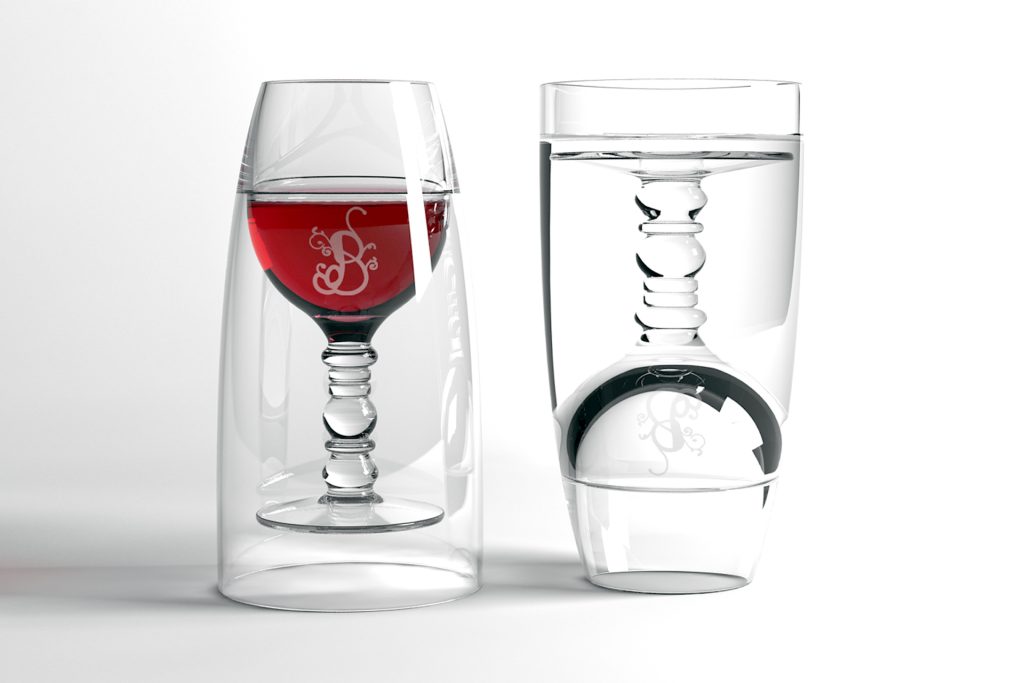
L’EAU ET LE VIN
PIERRE-GILLES FOURQUIÉ
The past is better than the present and should be kept under a bell-jar, as a reminder of our happiest times. L’eau et le vin is the coming-together of a water glass (modern with pure lines) and a wine glass (in Baroque-style).
As in a museum, the water glass acts as a bell-jar for the wine glass.
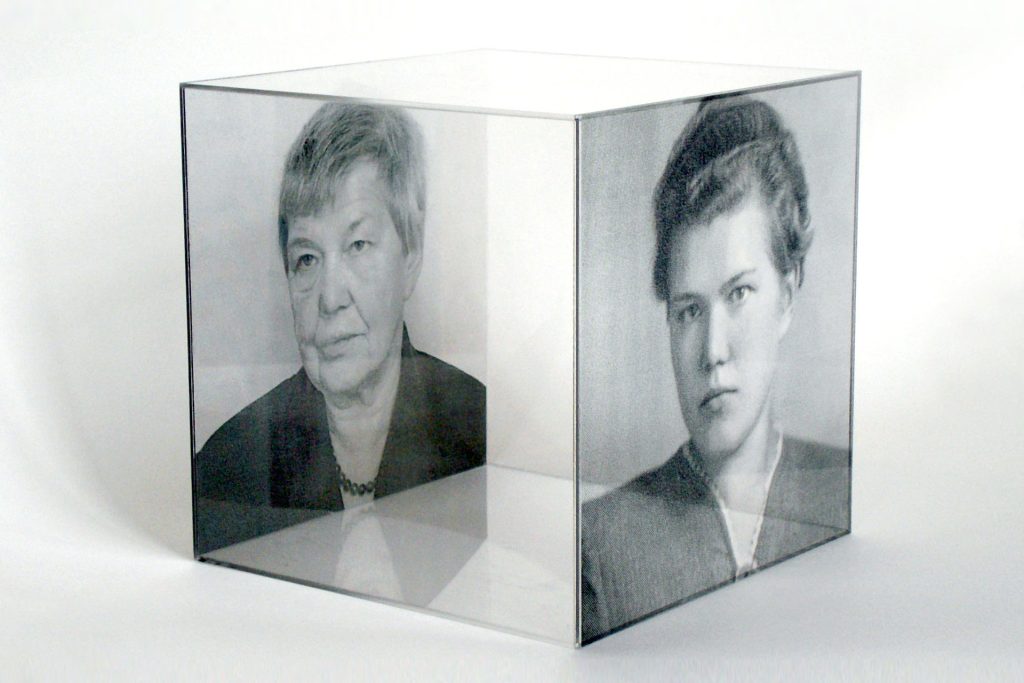
18=78
ANASTASIA FALDINA, ALEXANDRA FALDINA
Photos of a person, at two different ages, printed on the opposite sides of a transparent cube.
Time passes through a linear perspective.
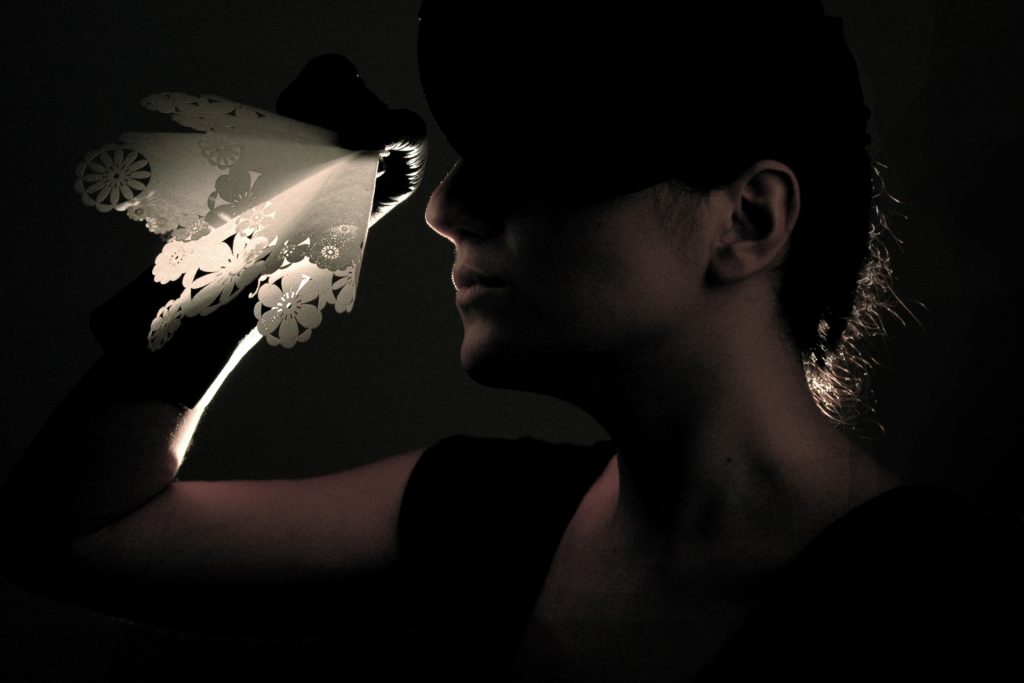
DESDEMONA
ELISA LEONI
When it was new, the old was valuable and handmade. Today’s new is disposable, useful and machine-made. But that doesn’t make it any less valuable: a paper tissue can save your life but don’t think anyone will want to keep it as a token of love or they’ll just say you’re an incurable romantic. The army of incurable romantics claims a world of stolen glances, sufferance, dashing Princes and ladies willing
to give up everything for love.
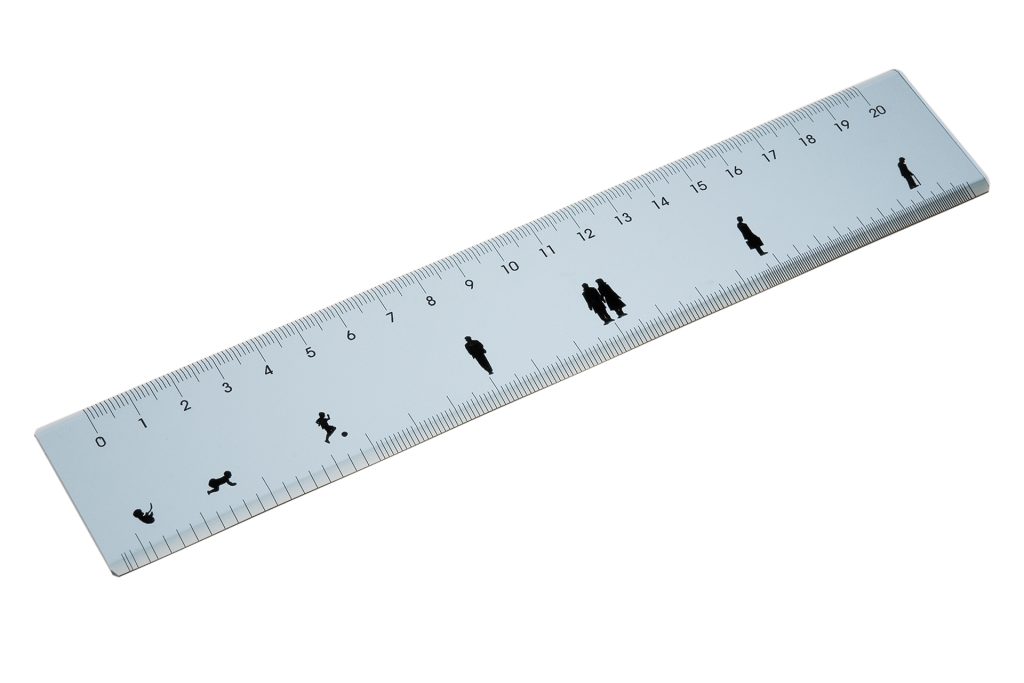
THE RULER
GIOVANNI TIROTTO AND STEFANO VALZER
On the one hand, a measured line, a precise, calibrated segment, which goes from ‘a’ to ‘b’, so summing up a project. On the other, a personal, variable, measureless line, which gives us the chance to dream.
Two ways of using a ruler: for measuring, to create a project, or for mapping out a line that has no definite end in sight…
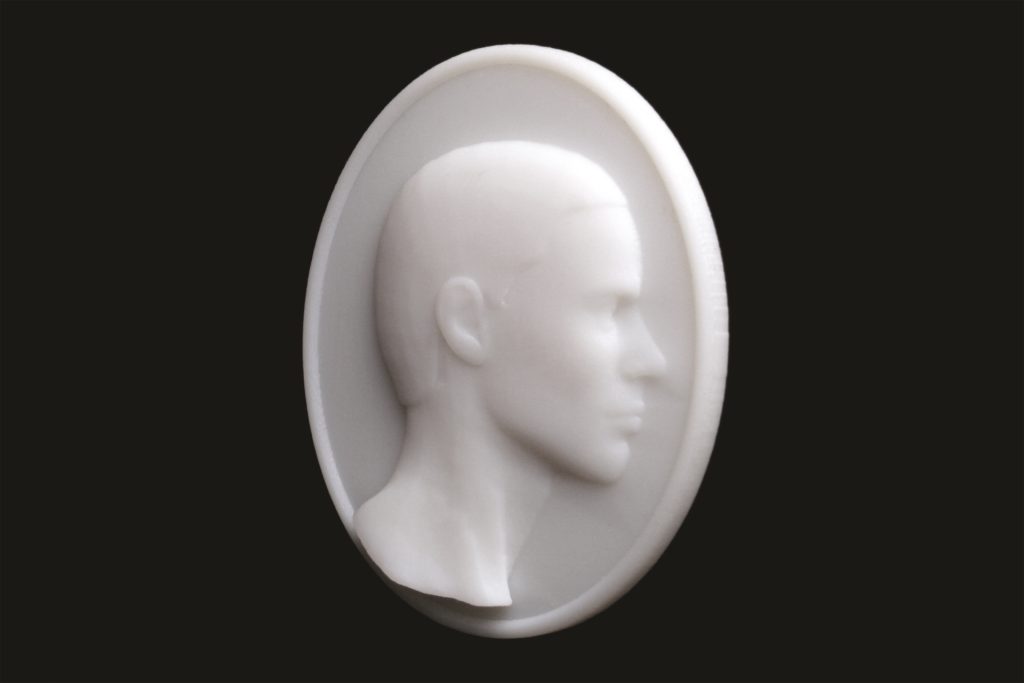
CADmeo
MARCO ZAVAGNO
A futuristic update of the “family jewels’ concept. A precious bond between past and present, revived thanks to an accurate reproduction of bygone things. CADmeo transforms the ancient art of bas-relief into a cameo with post-modern charm, in a combination of scanning/digital-modelling techniques and stereolithographic printing.
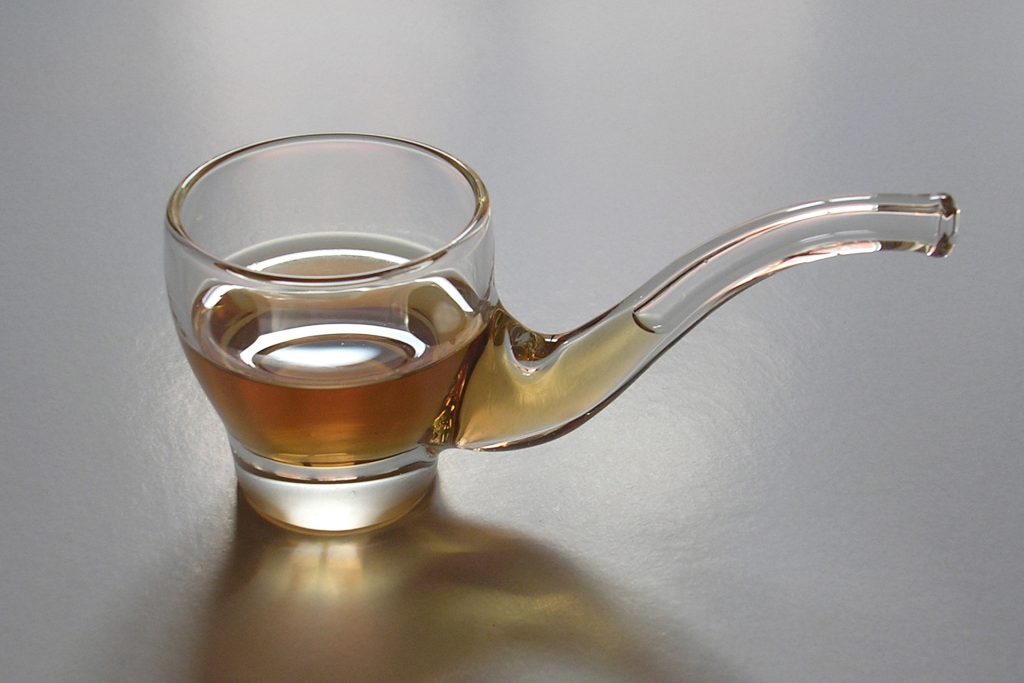
DRINK MY PIPE
GABRIELE BRACCHI, CHIARA DIGRANDI, FABIANA MASTROPAOLO
“ceci n’est pas une pipe”
An object with an age-old flavour to it.
Re-discovered, re-proposed.
For the pleasure of savouring something old
that has improved with time.
A game for some.
A new ritual for others.
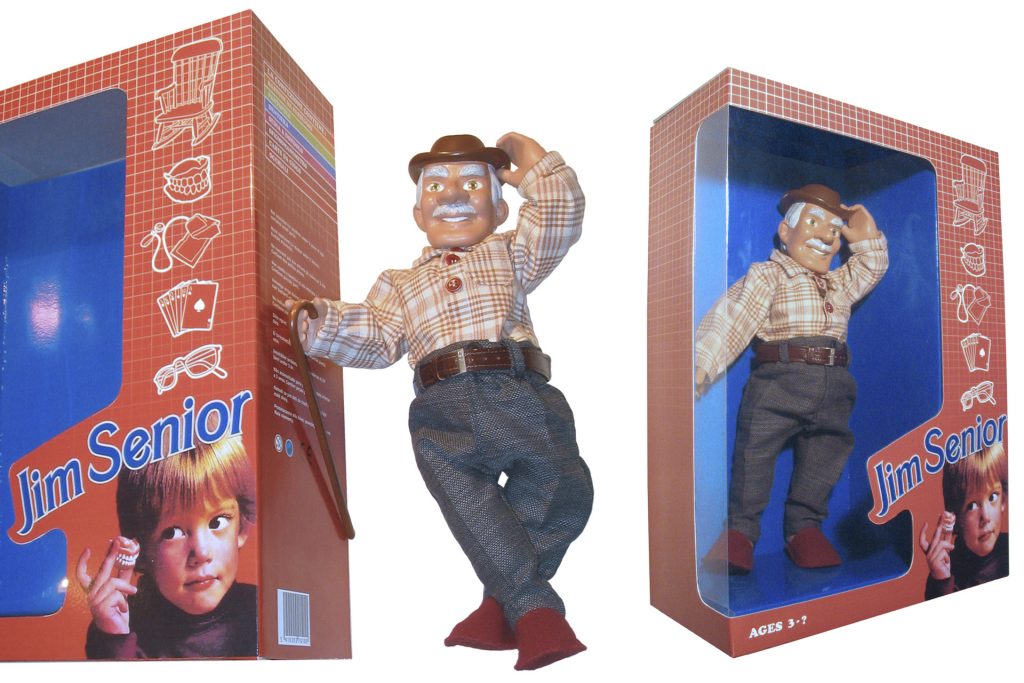
JIM SENIOR
EDDY ANTONELLO, FRANCESCA GAROFOLIN, MARCO NICOLÈ AND ALESSANDRO SCANDIUZZI
Invest in the future!
Get your child used to taking care of who you will become.
Aware of the fact that, one day, the roles will be reversed and we will be the ones who become dependent, it is only right that, by playing, we teach them to feel comfortable about old age.
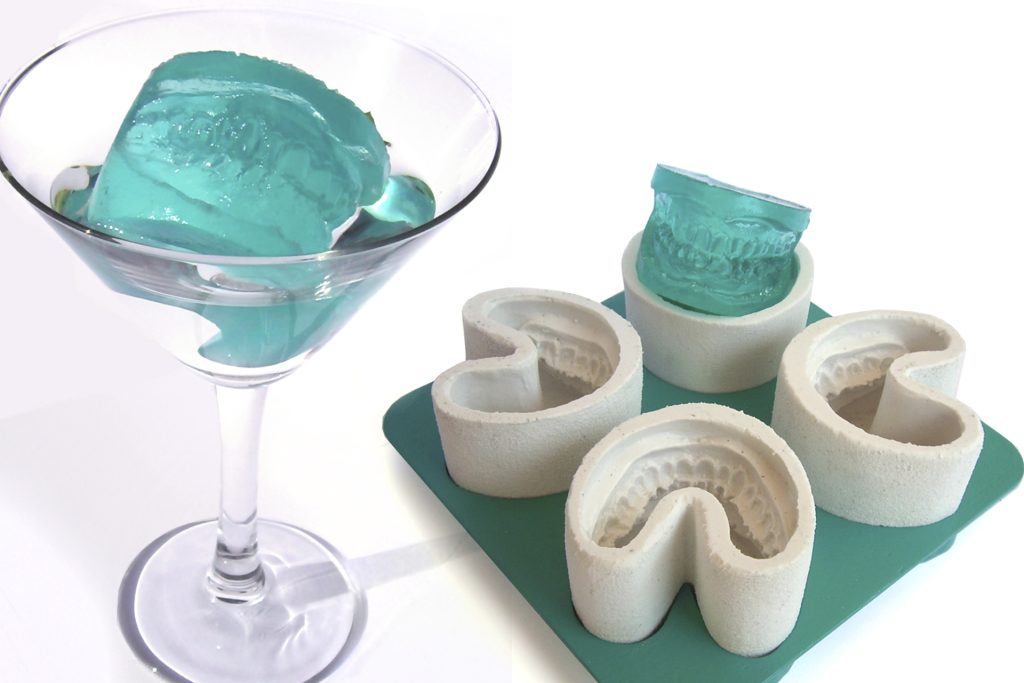
DENTAMENTA
VERONICA ABBATE, MARCO CARDITO, ANGELO FARINA AND BIANCA SCARFATI
Dentures in a glass are a stereotype.
Dentures in a glass are a sign: they conjure up the image of an old man with no teeth in! Dentures, from an object-prosthesis for chewing to an object-food for tasting. DentaMenta. “Dentures in a glass” is made out of mint-coloured ice and, after the bedside cabinet, can now be found among the aperitifs in any Milanese lounge-bar.
A new cult for new generations.
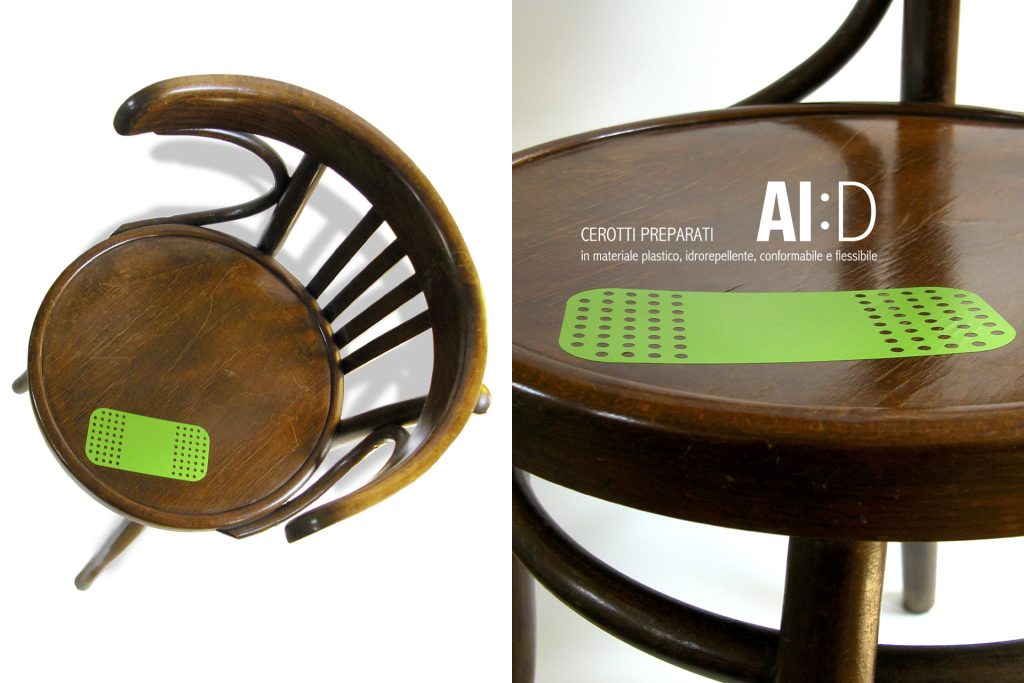
AI:D
GUMDESIGN: LAURA FIASCHI, GABRIELE PARDI
Focusing on old things.
An ironic and playful alternative to throwing things away.
AI:D mends a break, a scrape, a “wound” that may have appeared on the surface of an old object, steeped in memories.
AI:D means that there is no need to replace or throw the object away, but openly declare its “old age”, because, when you love something or someone, a bond is created that is just so strong you never want to let go.
AI:D is not just a “visual” game, it is also a play on words: AI as in a “shout of pain”, AID as in “assistance” and 😀 as in a “smile” symbol.
CELLOPHANE WRAPPED OLD FASHIONED LIGHTS
GIANMARIA SFORZA
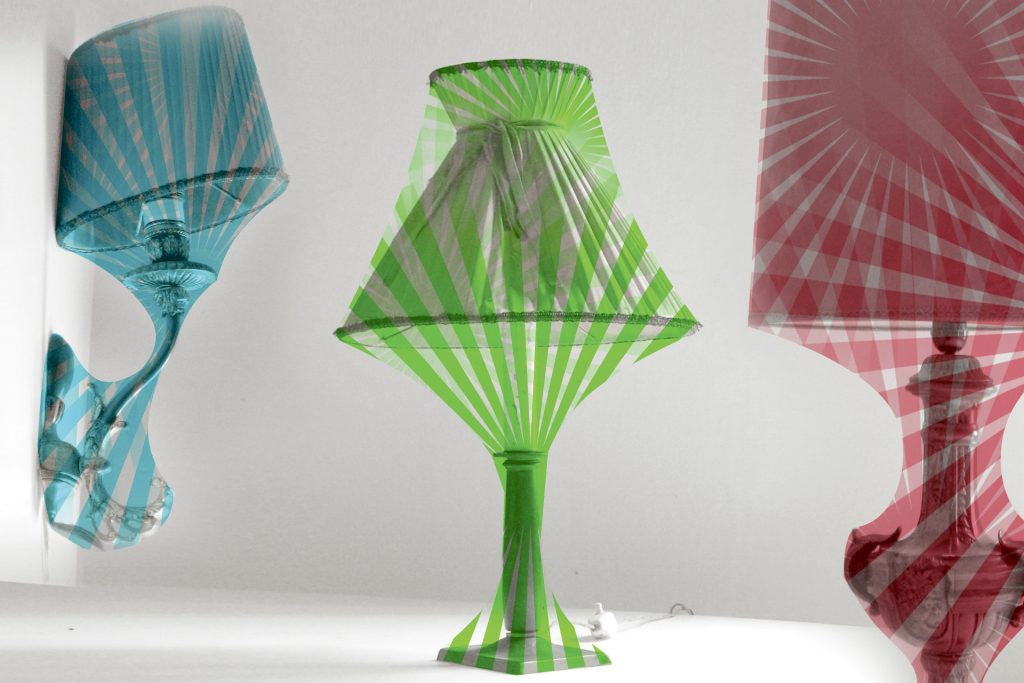
The idea is to marry old lampshades that are still in operation, fallen into disuse especially for a certain aesthetics passed, leaving it up to a machine the arduous task of design.
The idea is to produce, almost at zero cost, new objects, i.e. the same lampshades with a “design” second life, in a market especially saturated
with ideas as well as objects.
Retrieving a process unrelated to the world of design you might even suggest other ideas from which to design.