
Contest and exhibition: BENCH – Milan Design Week 2002
10 - 15 April 2002
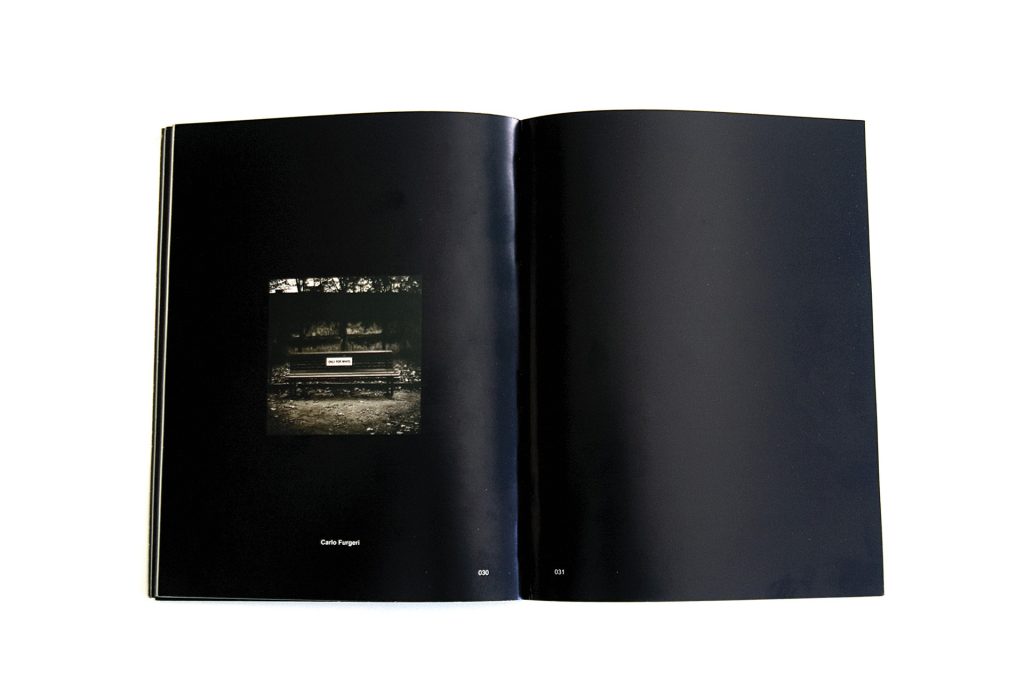
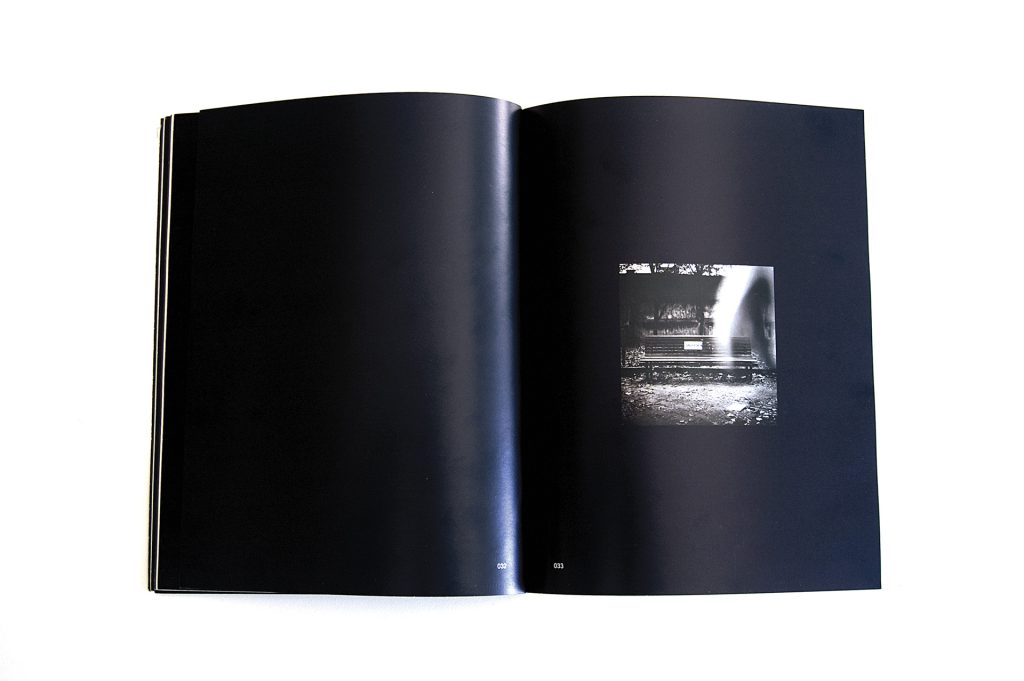
The bench as a symbol of togetherness, a meeting place, a point of redemption from the complexity of urban areas. The city seen not only as a non-human metropolis, but as a lived-in space, a chance to exchange views and emotions.
Seven designers and six photographers have given new meanings and points of view to an object considered to be ‘everyday’ but which also has a powerful symbolic and cultural value.
Projects:
UNA
99IC, ARCHITECTURE MEDIA DESIGN SRL (ISABEL ALVES DA SILVA, GERGLEY AGOSTON, GIANLUCA G. LUGLI, MATTEO POLI, GIANMARIA SFORZA
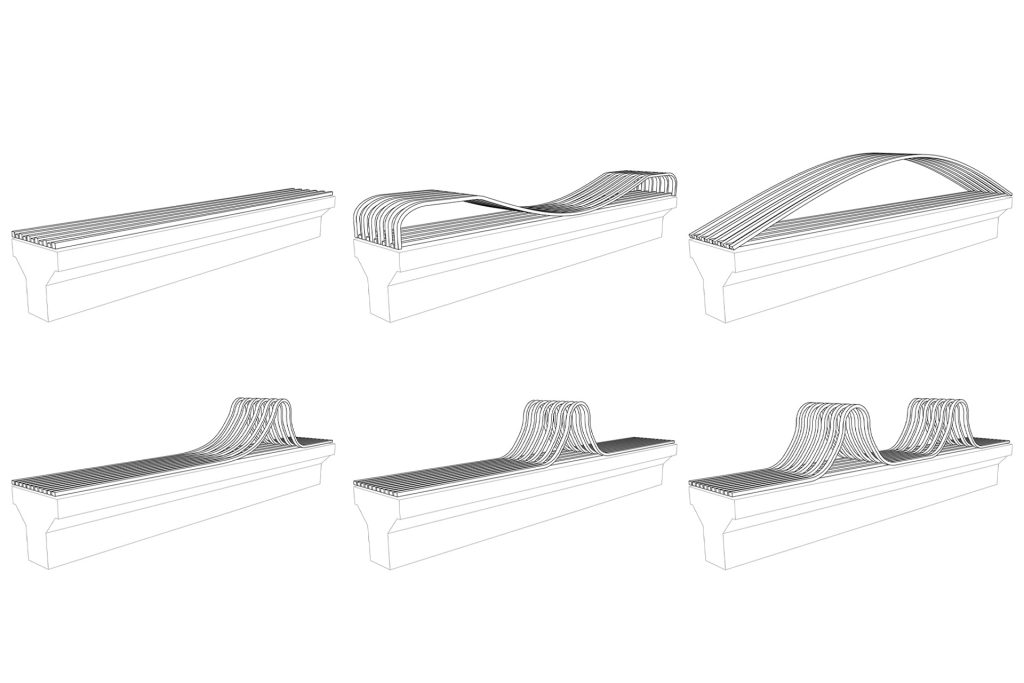
Why design one single bench?
The benches are often all the same, are repeated identical always and everywhere.
The benches are usually always the same, are repeated identical always and everywhere, often oversimplifying space that should serve. …
The project aims to produce, on the same basis, a number of variants of “bench”, also corresponding to any uses and behaviors not yet covered in the public space.
FLEX
FRANCESCO ARGENTI, FRANCESCO MARCHINI
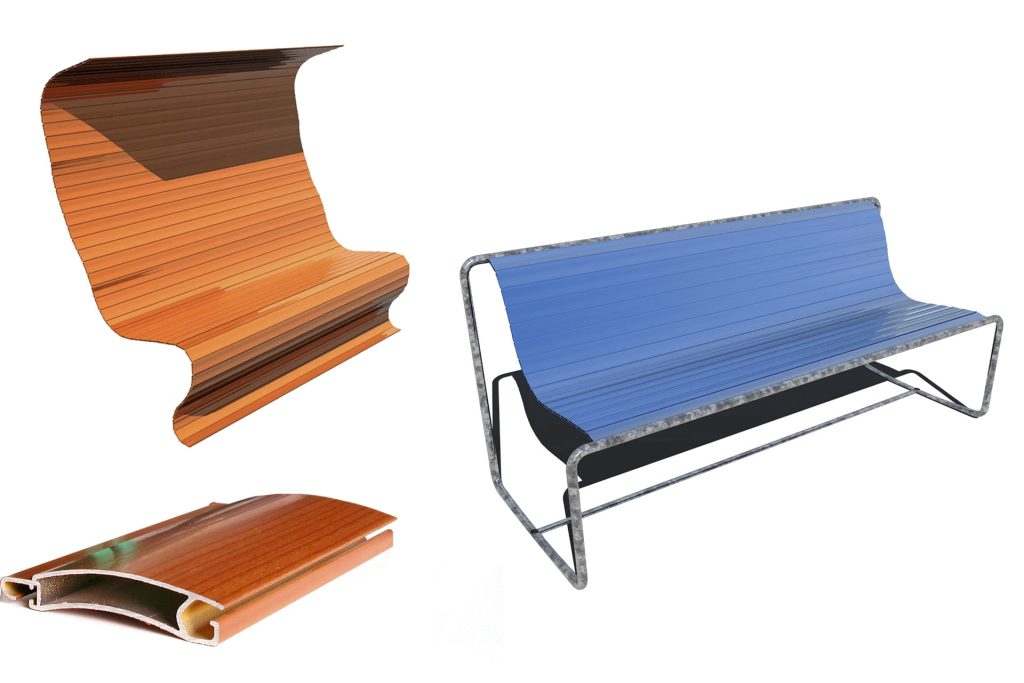
The job of designing urban spaces is usually expressed through a two-fold approach.
One method includes elements (benches, in this case) that are mass-produced so as to keep costs down; the other uses elements that are specifically designed.
Flex is a combination of the two; suitable for mass-production and flexible enough for specific designs. The seat-backrest consists of a modular element made out of extruded aluminium, normally used to make household shutters. Aluminium, treated for outdoor use and painted to withstand abrasion, is 100% recyclable.
1:1
WALTER BECCHELLI
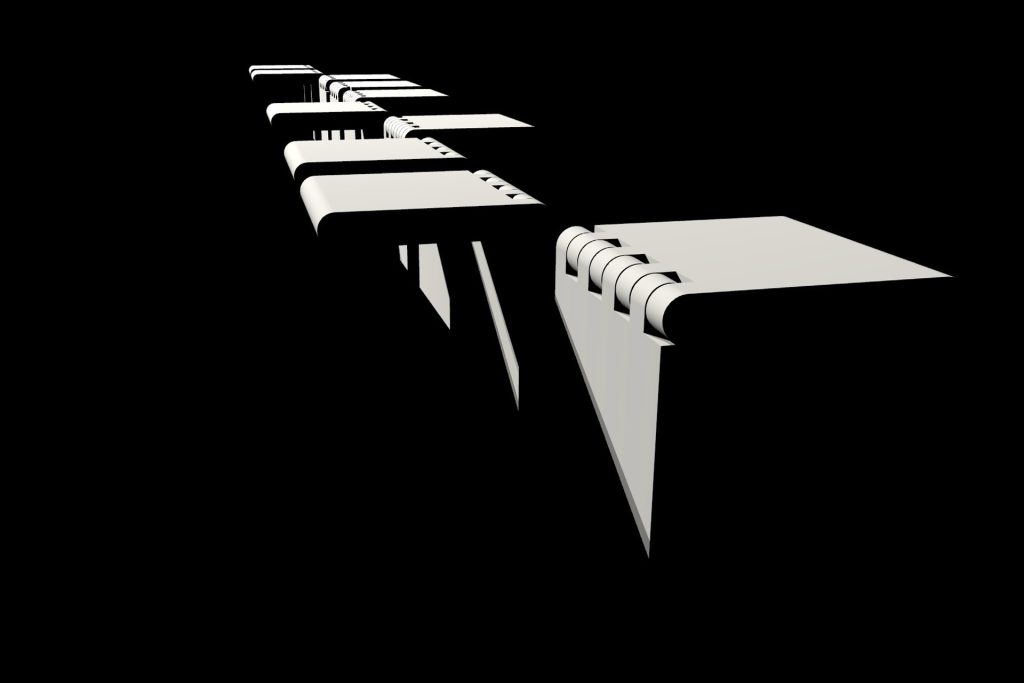
The amount of space on and around a bench is something that cannot be changed.
Designed basically as a linear development of a chair, it is its own morphology that defines and restrains the way in which it is used.
This design, with the independent rotation of each individual seat, makes space changeable. Or rather, by multiplying the number of plausible configurations, the system can be adapted to suit every need, making it possible to choose between group sharing or the personal privatisation of the space itself.
CAR
JORG BONER, N2 CON FRANCISCO TORRES
The space on a bench is a public space.
Imagine a bench as a piece of urban furniture.
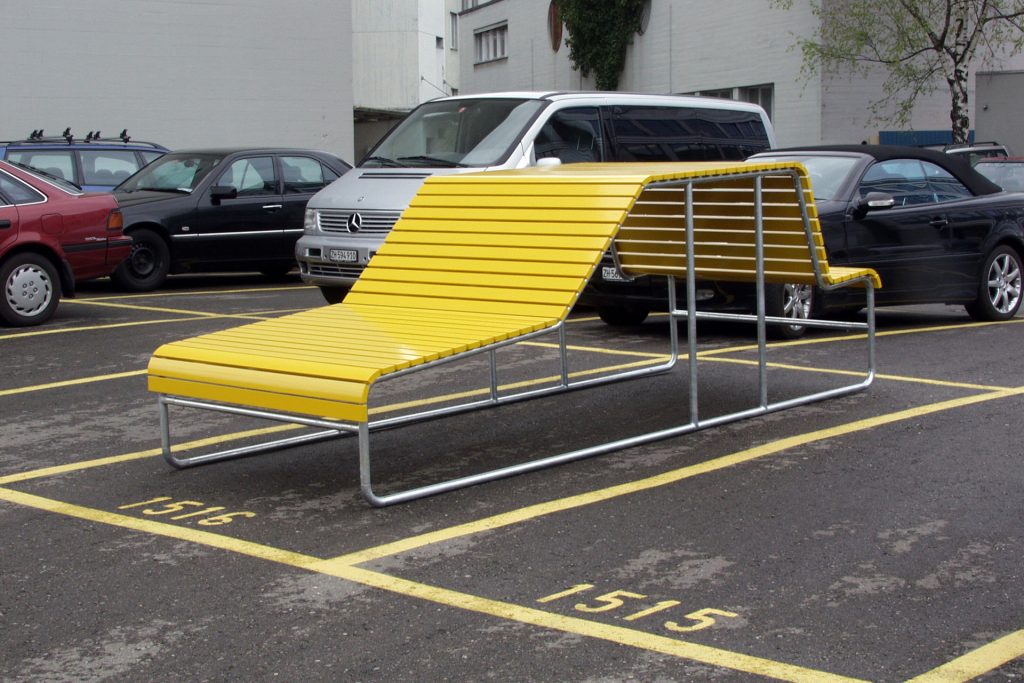
Public spaces are frequented by lots of “presences”, the car being one of them; it needs a lot of space and has a ‘temporary’ relationship with the urban space. Ever more numerous, cars often move from one parking space to another.
Designing a bench that can use the parking space in a temporary way.
A bench for adults and children alike, not just a simple seating area, but somewhere various activities can take place: sitting, resting a while, playing, sleeping…
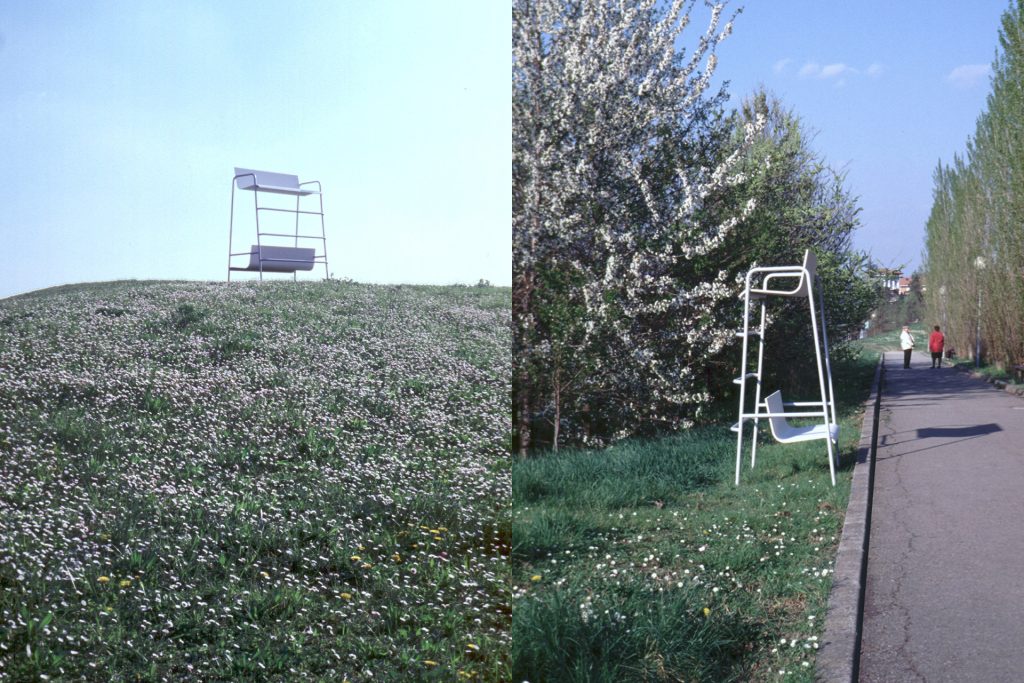
PANORAMICA
FABIO BORTOLANI, DONATA PARRUCCINI
Focusing on the eyes.
Raising eye levels in search of a privileged view, a panoramic view. Not just a different way of sitting, but also observing.
So, the possible uses are also different. You can sit on the higher level in search of a more intimate and protected space, be it alone or in company; or you can use the bench in a more traditional way, by sitting on the lower level, whilst sheltering from the sun or the rain perhaps.
The bench, that can be completely dismantled, has an iron frame with a curved plywood seating area.
LOOKING FOR BALANCE
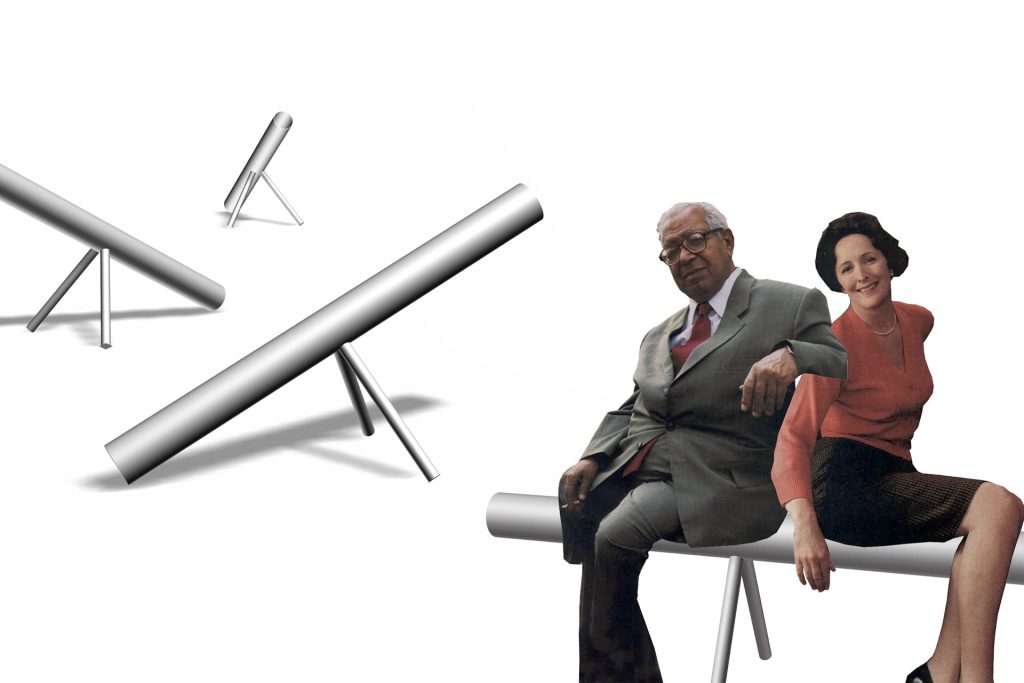
CURRO CLARET MARTÌ
Every day we have lots of opportunities to meet people, a chance to share gestures, ideas, plans… but this doesn’t happen often.
“Looking for Balance” is an attempt at encouraging the relationship between two people sitting on the same bench. To keep sitting there you need to reach the right balance with the other person. Having reached the right balance, tiny gestures can change the relationship between the two, so enhancing the situation.
“Looking for Balance” has to be used by two people at the same time.
RAYOGRAPH
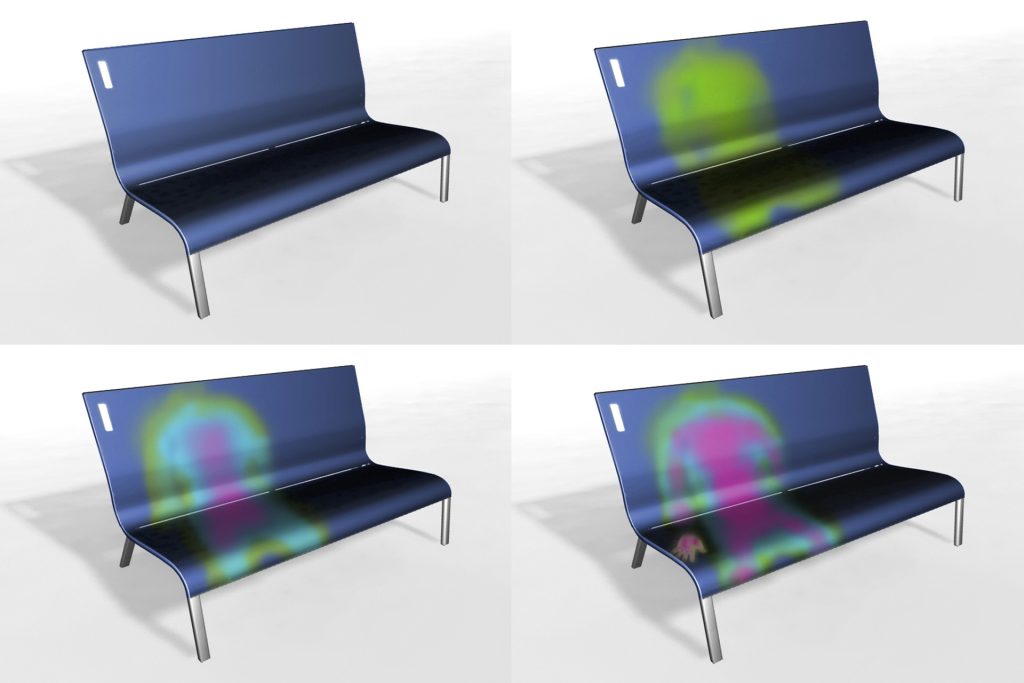
MINIMO DESIGN
The bench as a means to communicate or to leave traces of one’s passage.
Or again, as a signal of an environmental state.
Rayograph is a ‘living’ bench that tells the tale of what goes on around it, with people just sitting there, resting, reading the paper, playing, making love, sleeping…
It is basically a sheet of metal laid over a simple frame and its main feature is the type of paint that is used, namely a thermo-chromatic product that changes colour depending on the temperature. It changes with the climate, if someone sits or lies down on it, if handprints are left, if someone is sleeping on it… leaving traces extended in time… ghosts… just like in a Rayogram by Man Ray.
PEOPLE BENCH
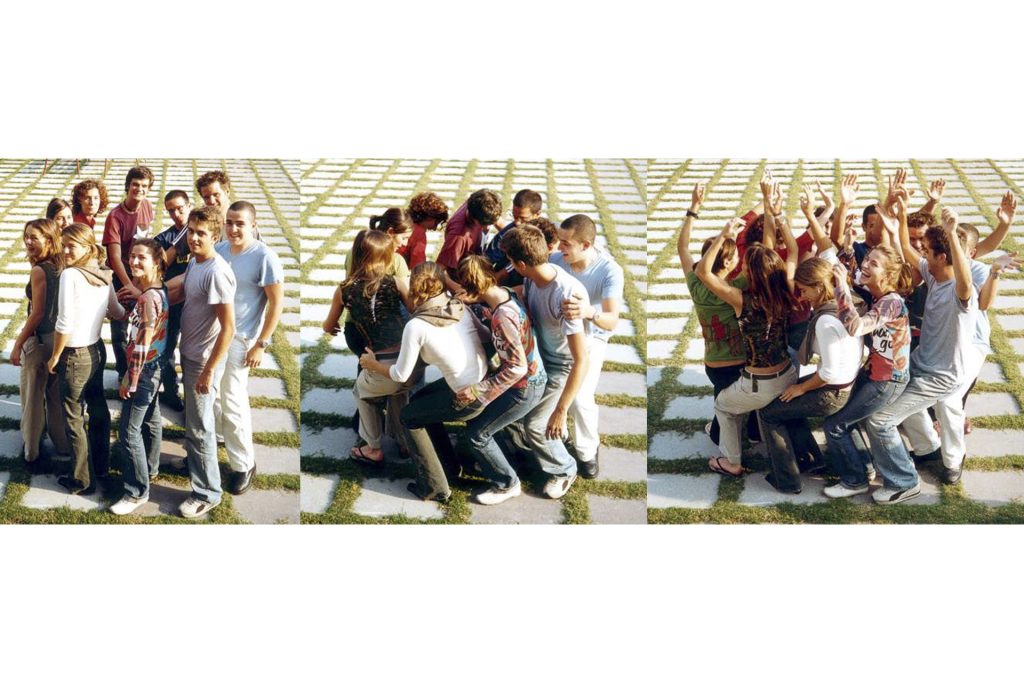
MARTIN RUIZ DE AZUA
Designers often have to address needs that are created by a reality that has become just too materialistic.
In Spain they say: “The best things in life are free”, things like friendship and the trust in people who make us feel good.
People Bench is a non-materialistic bench, this is both humane and sound.
TUTTOLEGO
LORENZO DAMIANI
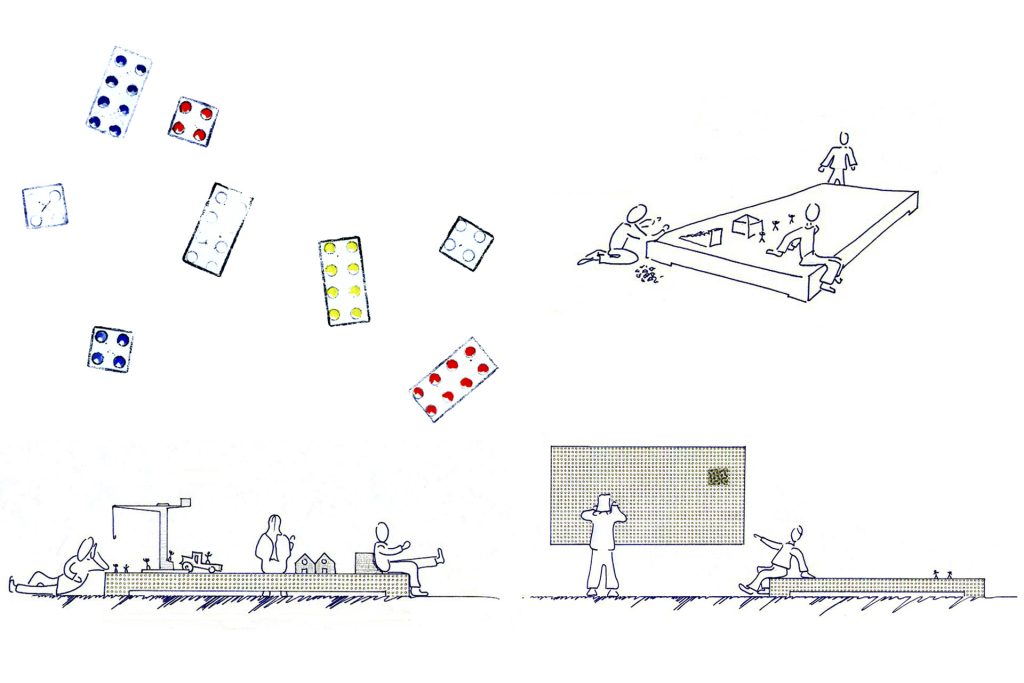
TuttoLego is a multi-purpose bench, a surface for kids, made out of sheets of Forex covered entirely by colourful Lego bricks. The lightweight frame can easily be shifted, or even hung on the wall, so becoming a playful instrument or an opportunity to develop the imagination.
By putting Lego bricks on the surface you can build backrests or, at will, ‘little’ architectures’, houses, buildings or cities, transforming this platform into a big toy that you can sit on, like a bench, with shapes that are new and different every time.
TuttoLego is an ‘ongoing’ project, ready to respond to children’s creativity.
VISION
ILARIA MARELLI
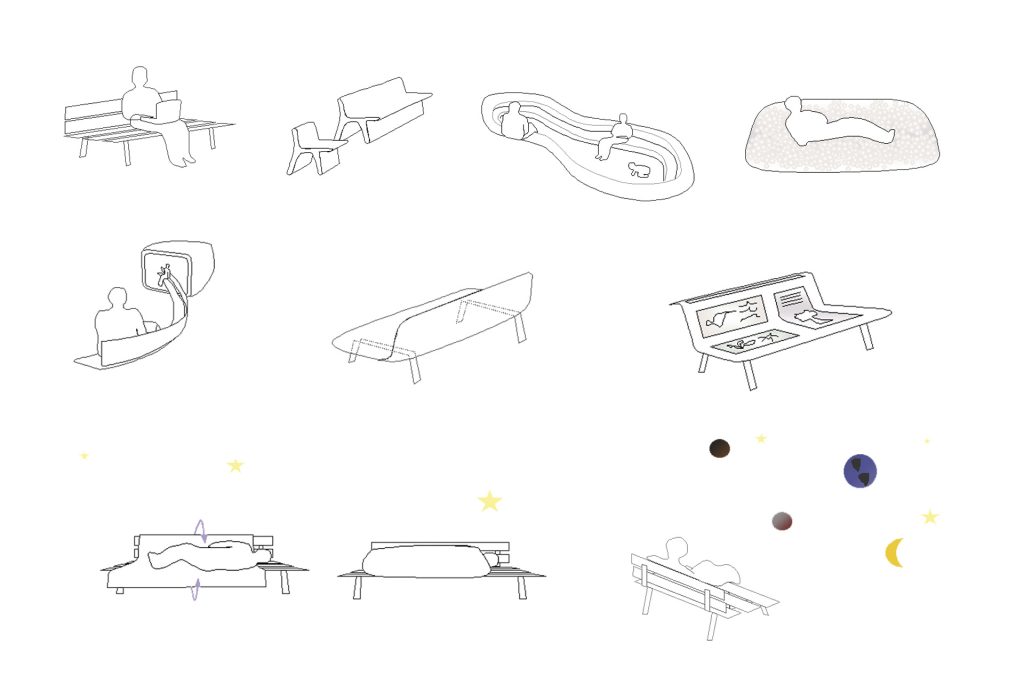
Does it have to be different from what we already know? For three, four (how many?) people? Made out of traditional materials? Does it have to be as comfortable as a seat , an armchair, a bed or a chaise-longue?
Has it got to be fixed?
There is an archetype of the bench that determines its shape and use regardless of the changes in how we socialise, how we use it, the techniques and the materials.
Here we have a bench that can be “sliced-up” at will, a bench-bath, a communal place, a play bench, that follows the positions of our bodies, a tool that simulates the physical proximity of “being sat close” when “chatting” on-line, a bench you can’t see that blends in with its own background, a bench where you can watch and read and get a better understanding of what’s going on around you…
But the support – the bench – whatever the situation, is always the same.
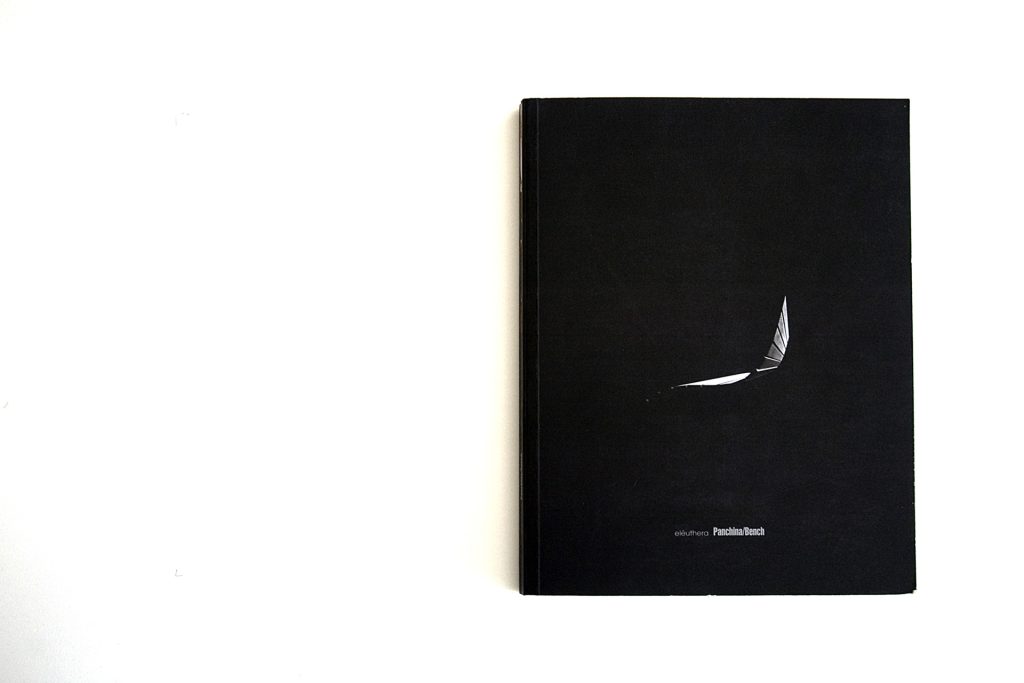
Publication:
Photographers:
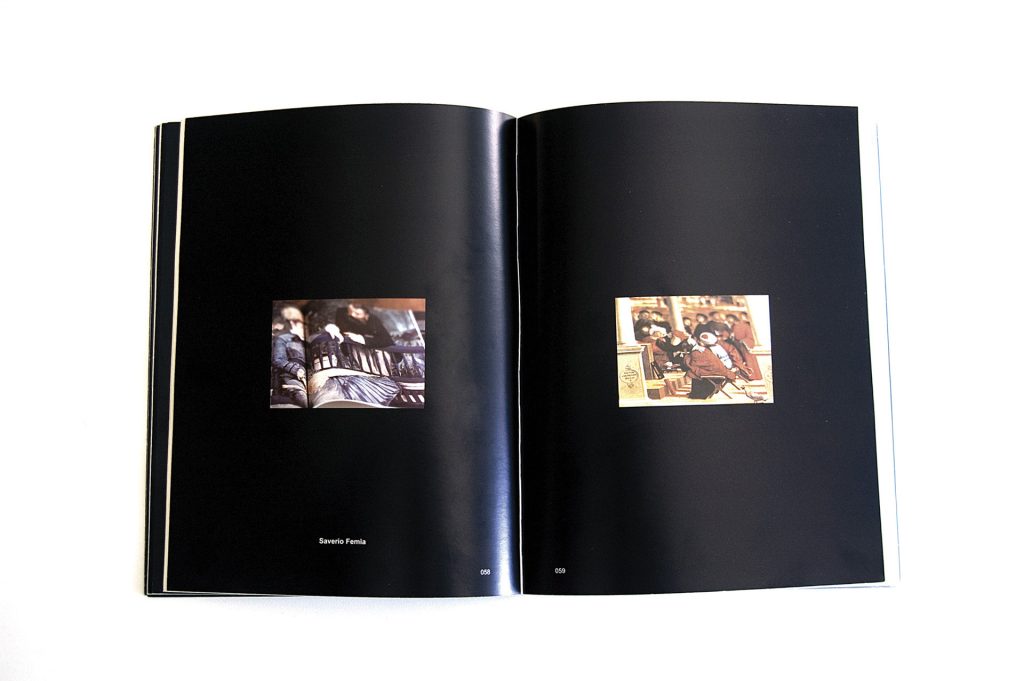
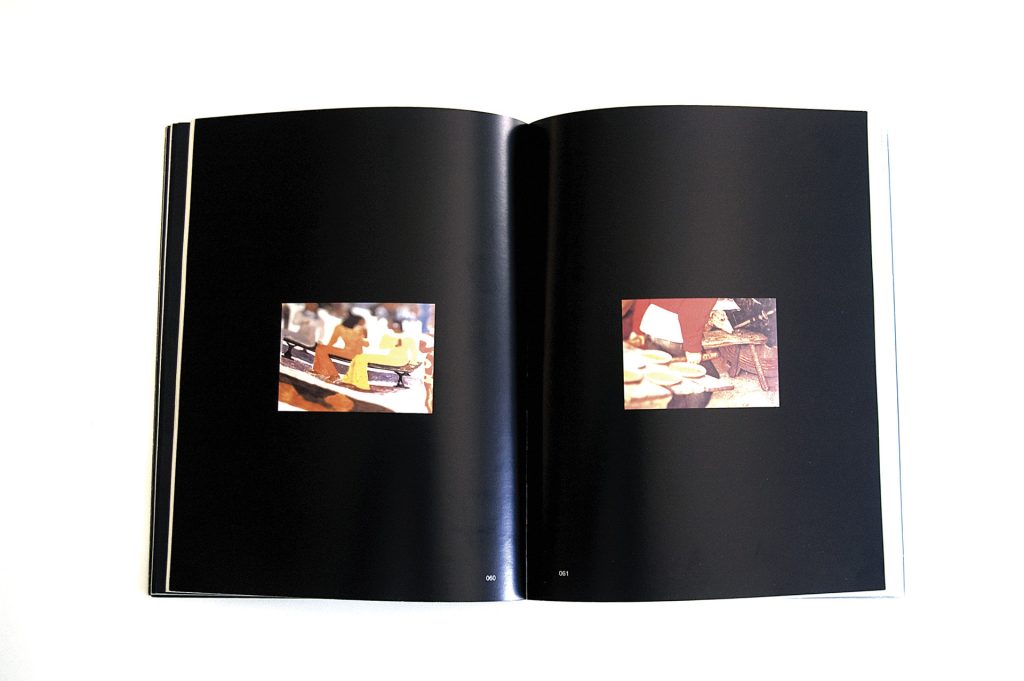
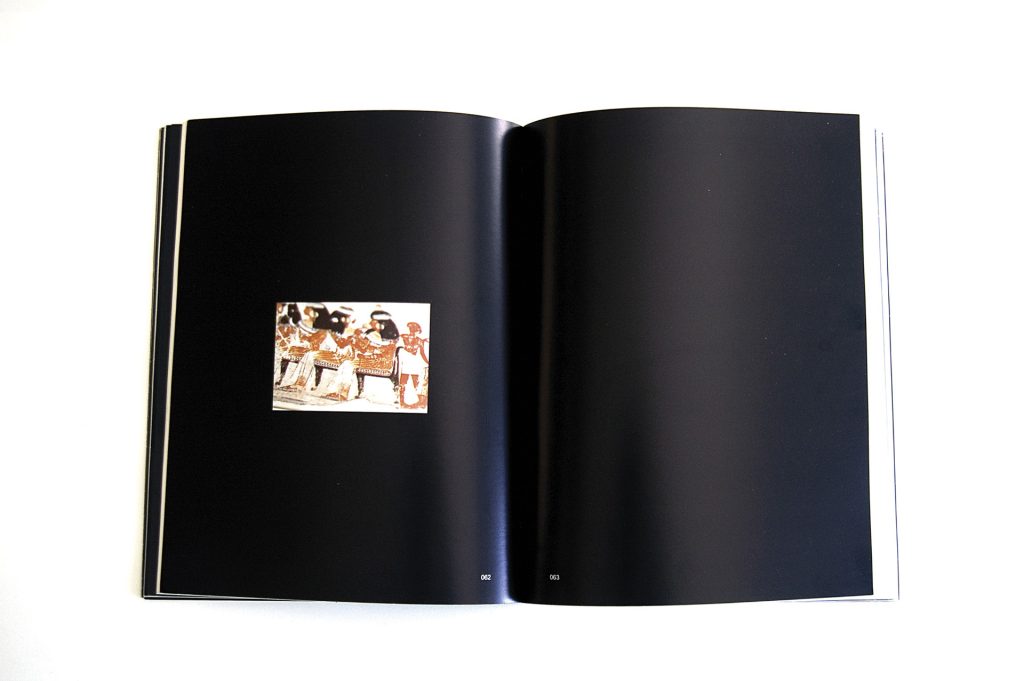
SAVERIO FEMIA
CARLO FURGERI
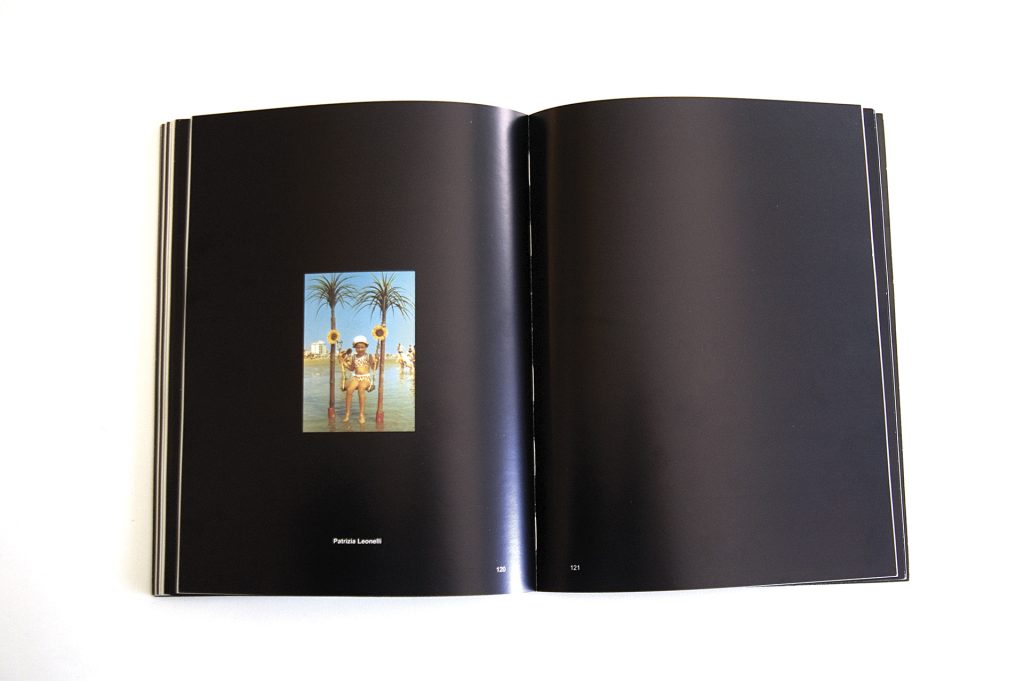
PATRIZIA LEONELLI
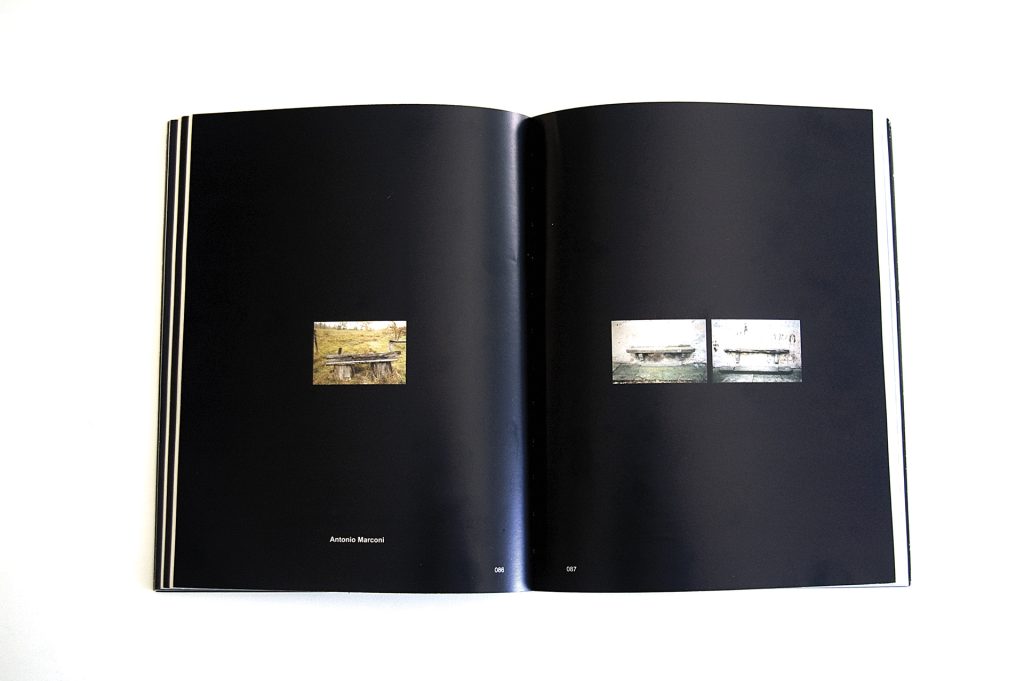
ANTONIO MARCONI
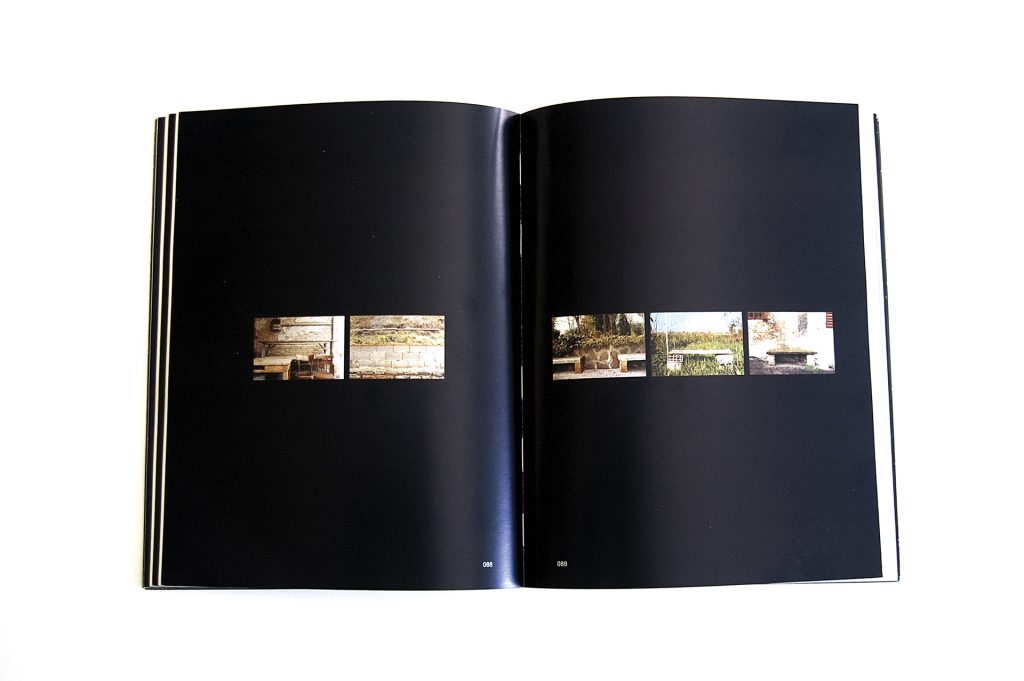
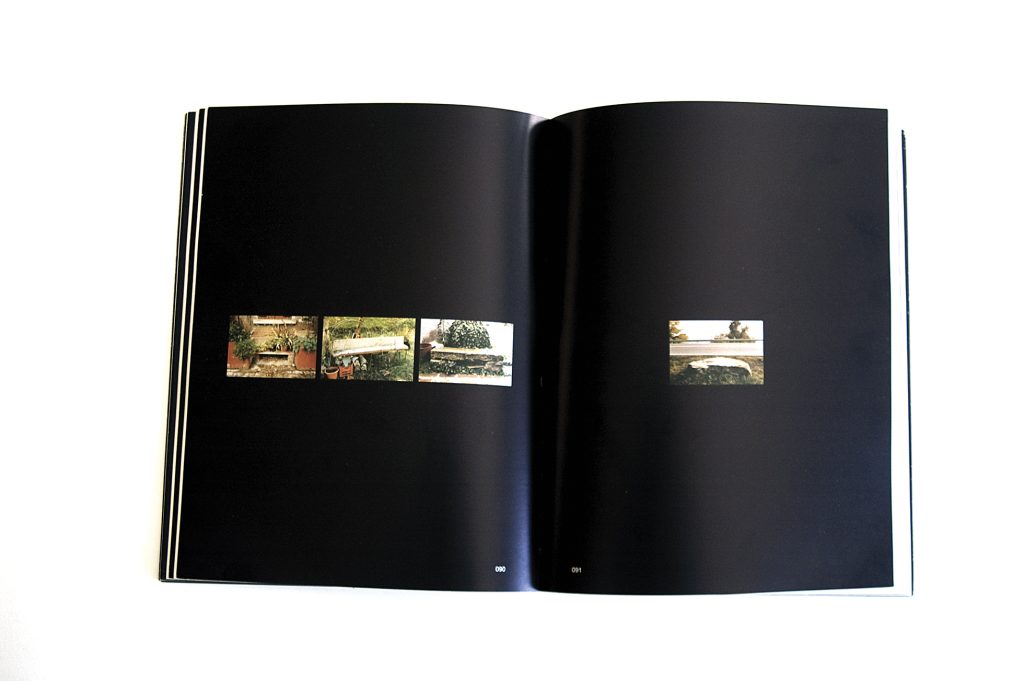
FILIPPO ROMANO
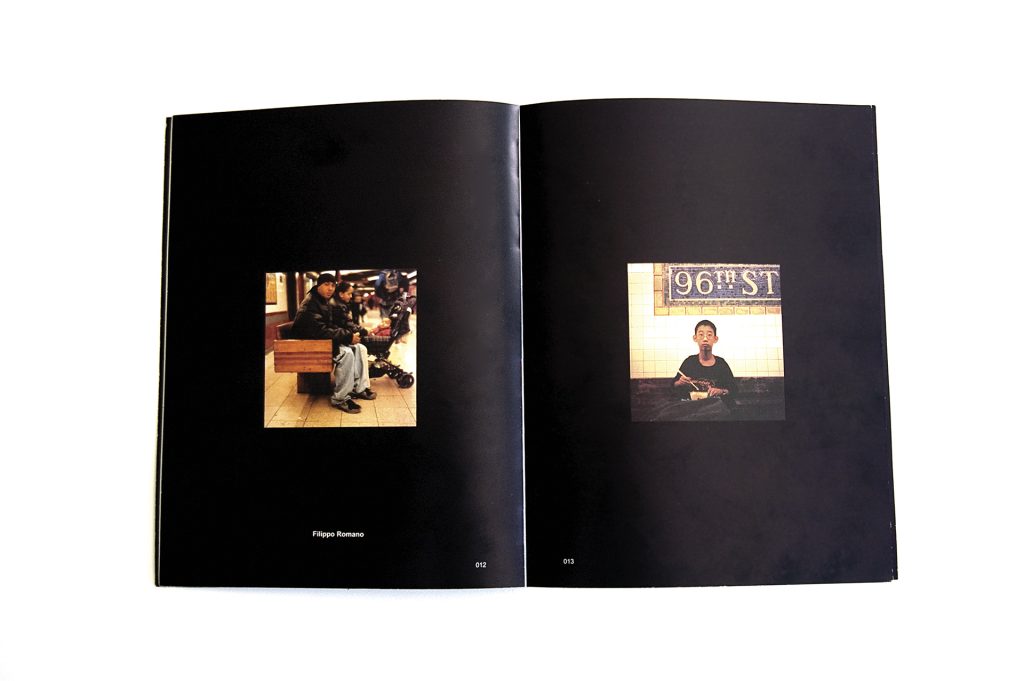
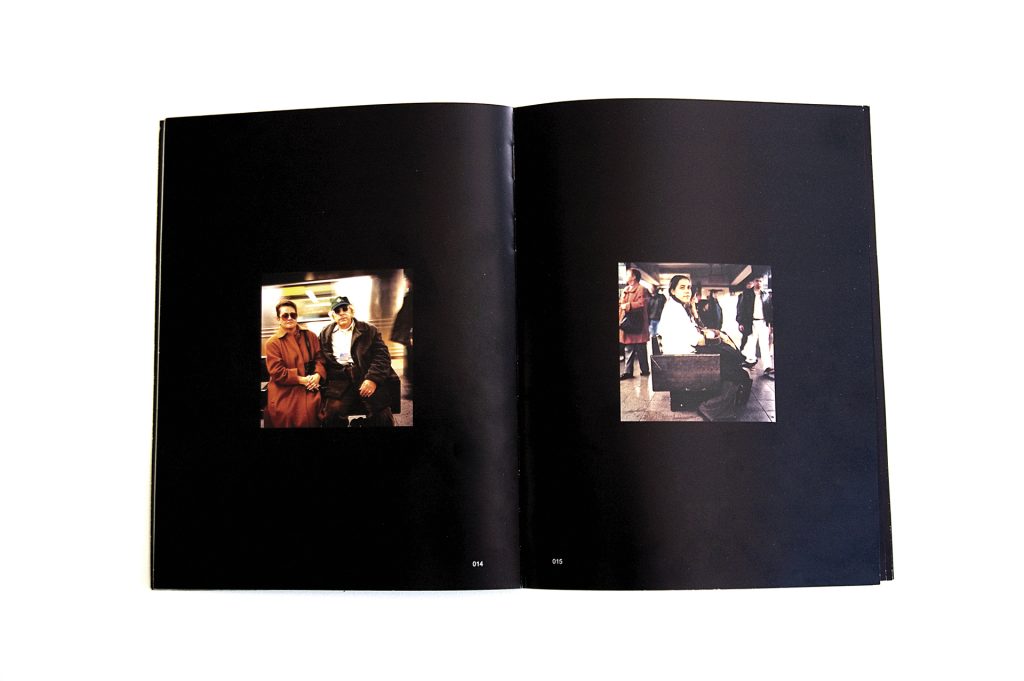
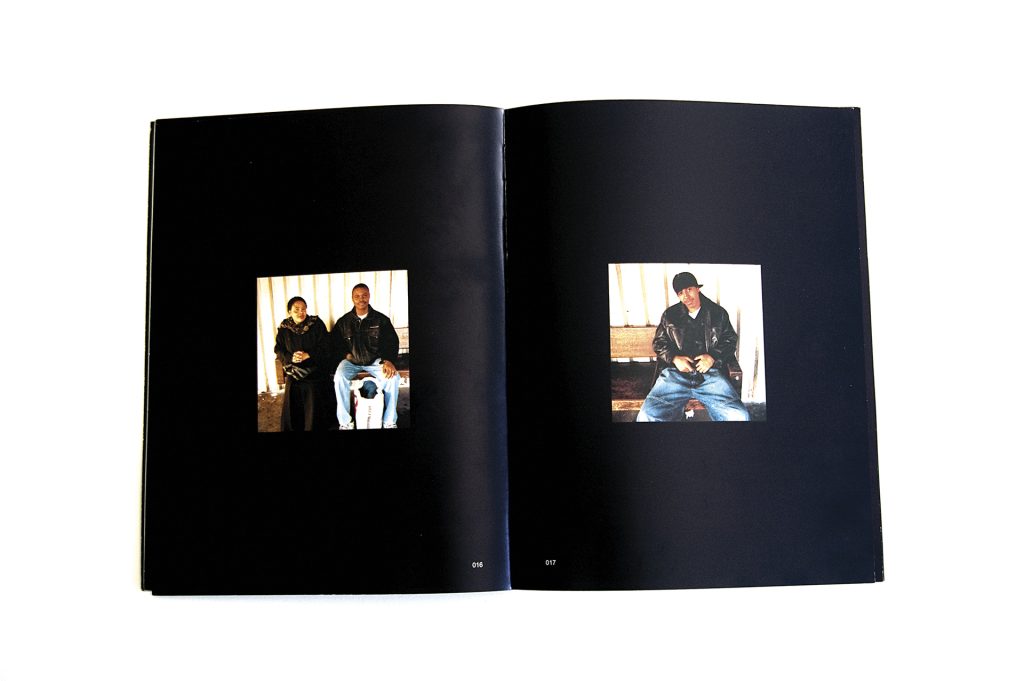
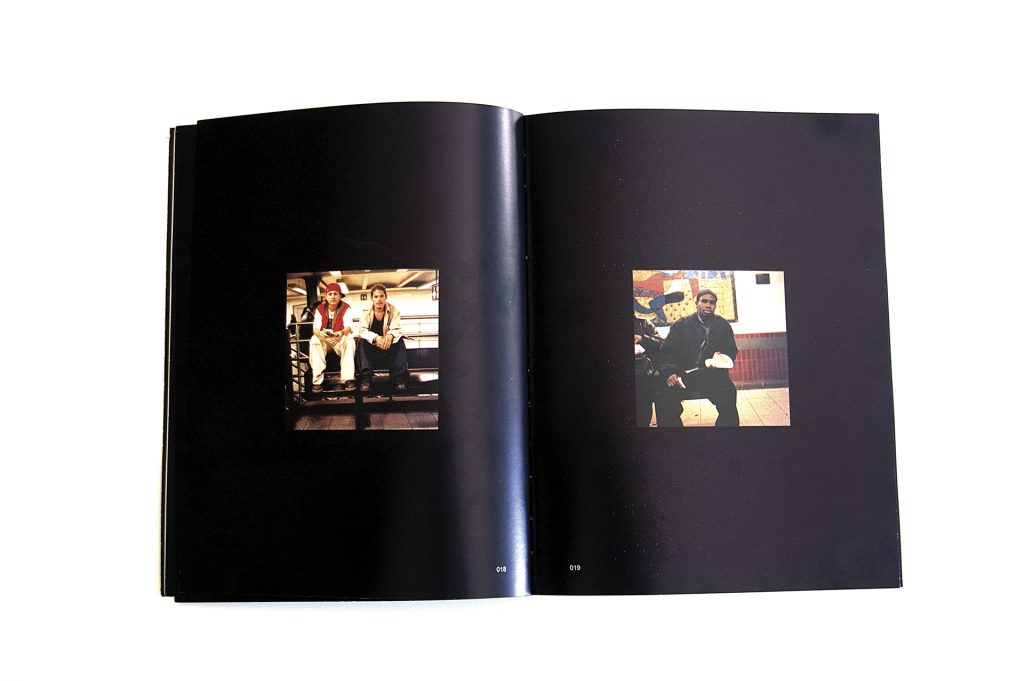
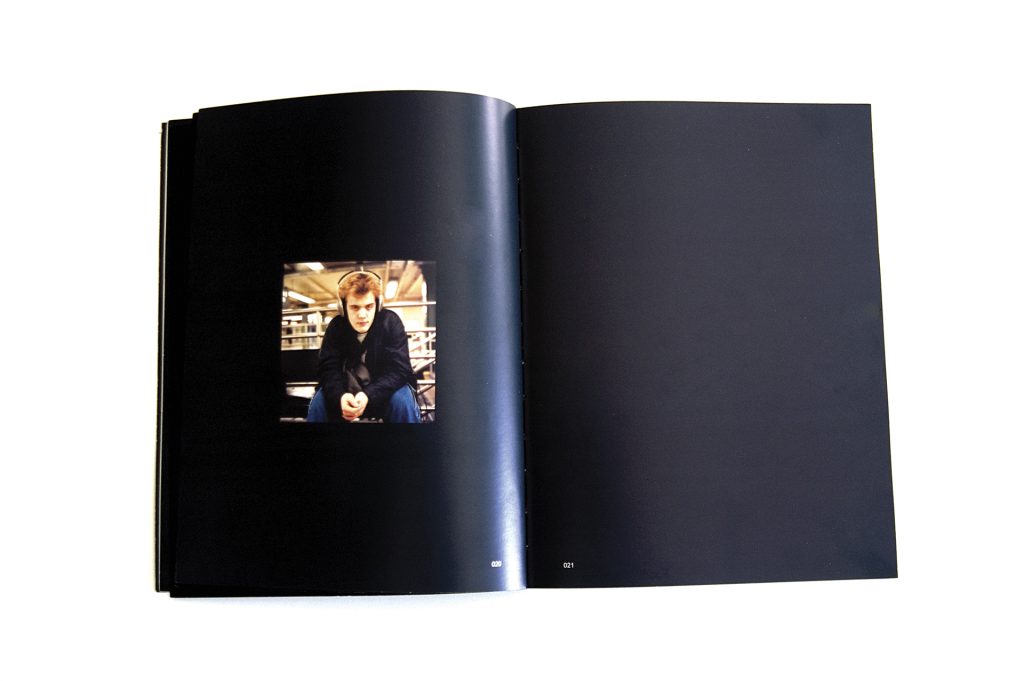
CIRO FRANK SCHIAPPA
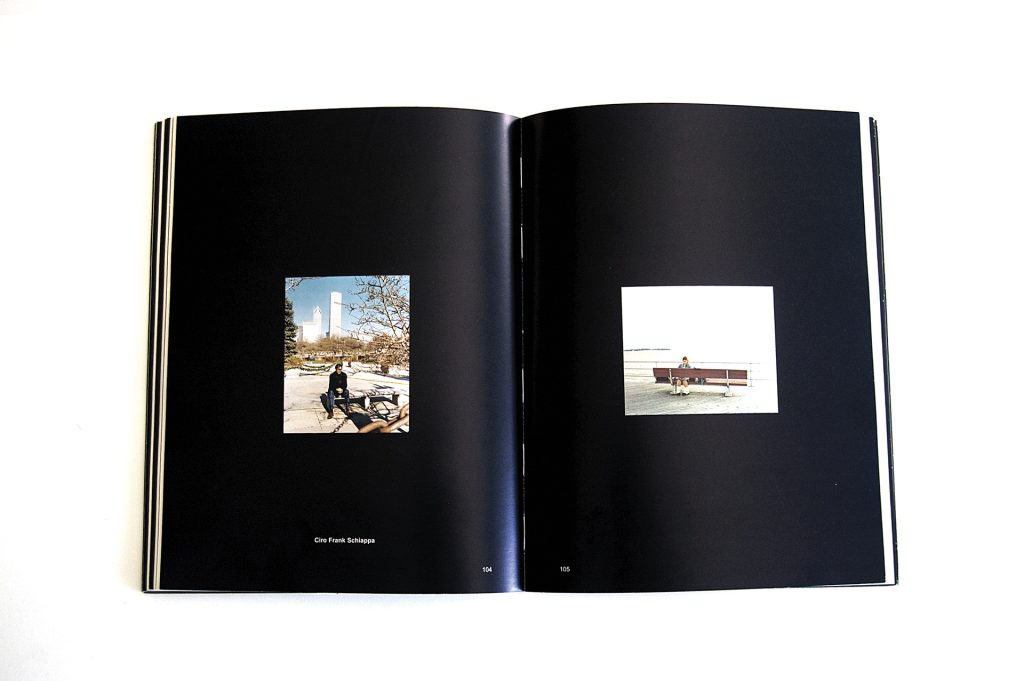
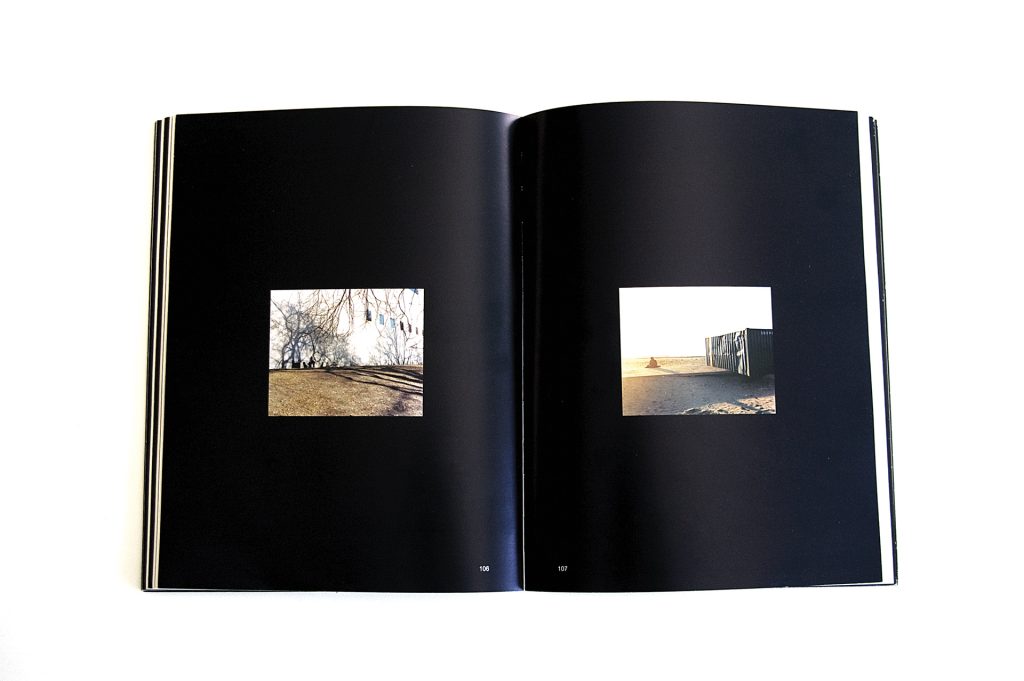
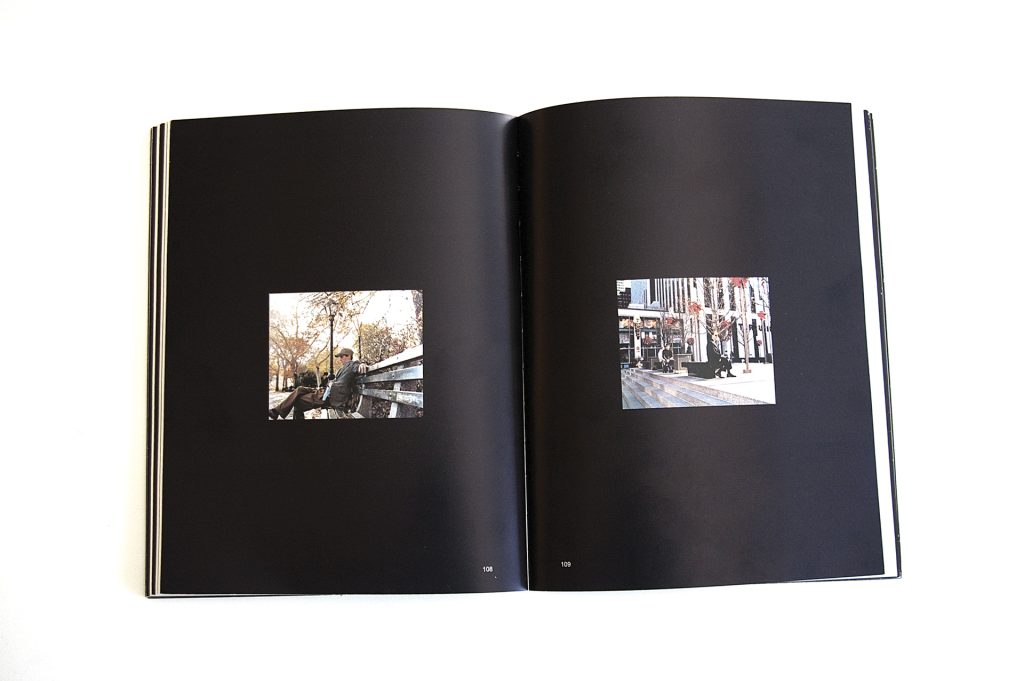
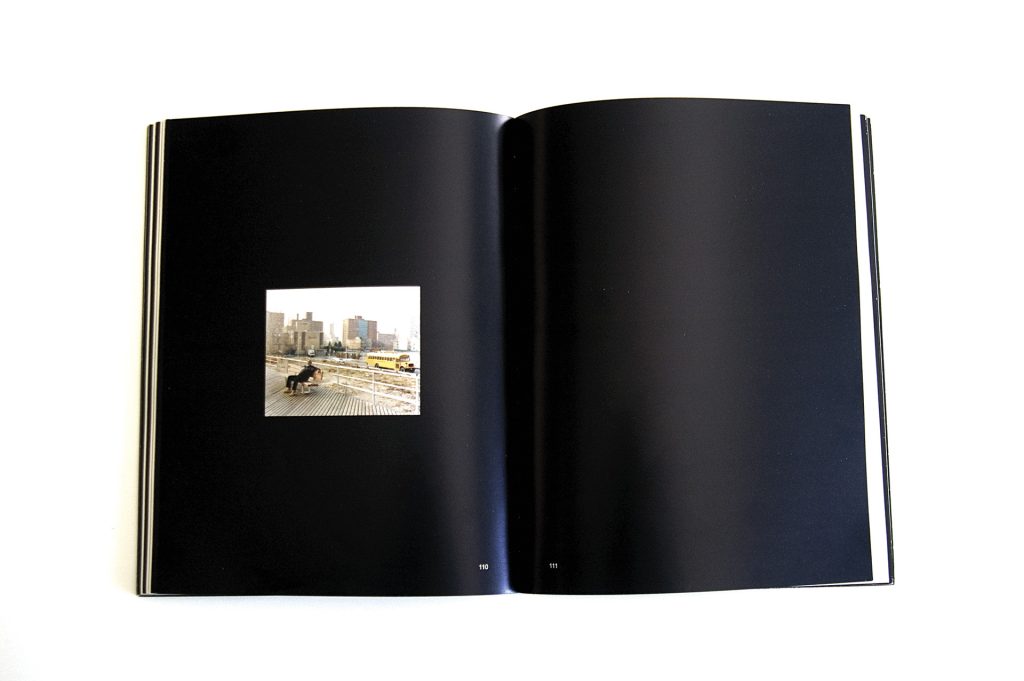
Extracts from Panchina/Bench
© 2002 OPOS / Editrice A coop. sezione Elèuthera
Progetto grafico Walter Becchelli
Graphic design Walter Becchelli
Finished printing
in April 2002
at grafiche Vadacca, Vignate
on behalf of
Editrice A coop. section Elèuthera
via Rovetta 27, Milan
www.eleuthera.it


